
Welcome To CB Piping System Co., ltd., ...

Maximizing Efficiency with Lignite Drying Production Lines
Release time:
2025-10-08
Lignite drying production lines are specialized systems designed to efficiently reduce the moisture content of lignite, a type of brown coal. This process is critical because lignite, when harvested, typically contains a high percentage of water, which can hinder its effectiveness as a fuel source. By employing advanced drying technology, these production lines enhance the quality and energy conte
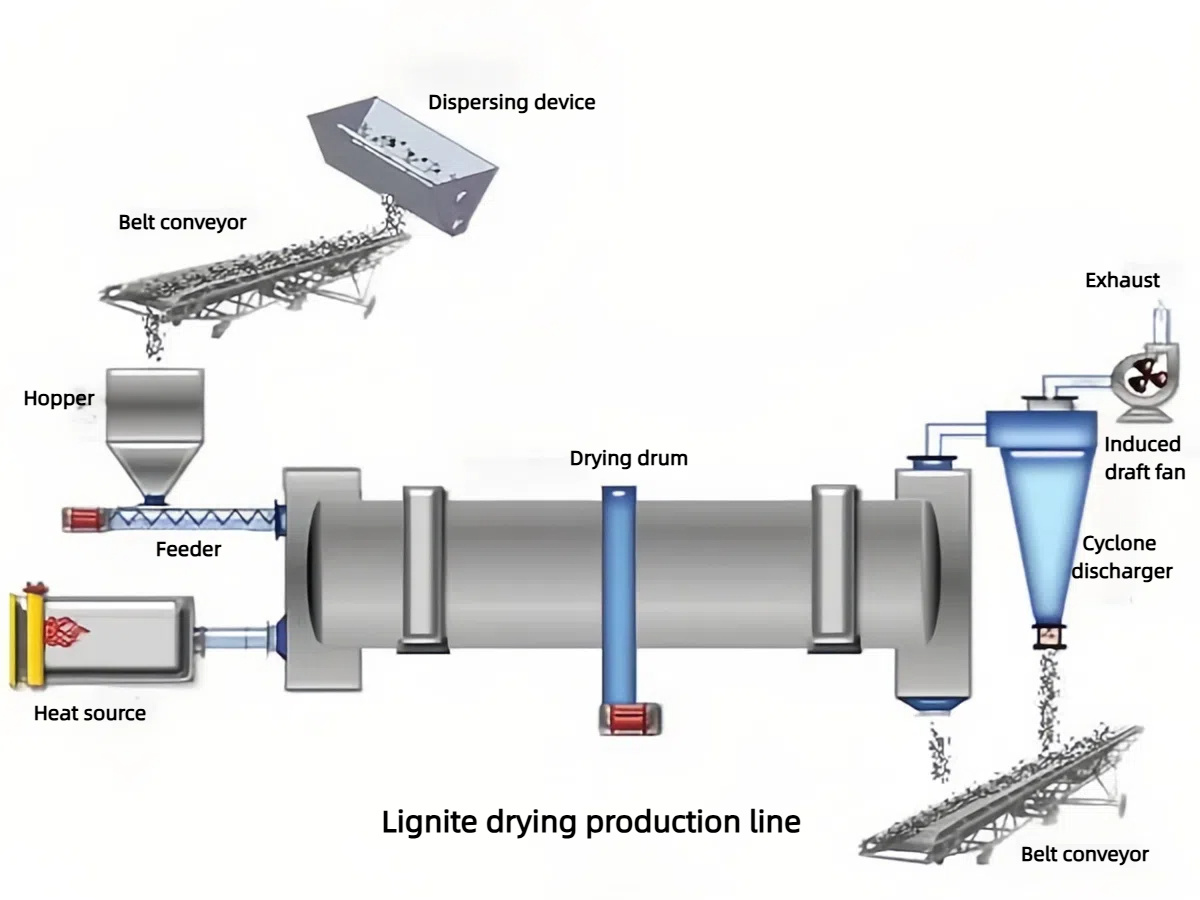
The lignite drying process usually involves several key stages: initial feeding, drying, cooling, and discharging. Initially, lignite is fed into the drying system via a conveyor. The drying process often employs methods such as hot air circulation, which effectively evaporates moisture without causing significant degradation to the lignite's structure. This temperature control is crucial, as excessive heat can lead to the loss of volatile compounds that contribute to the fuel's energy content.
One of the most significant advantages of lignite drying production lines is the improvement in energy efficiency. By reducing the moisture content, lignite becomes more combustible, leading to higher energy output when burned. This not only enhances the efficiency of power plants but also contributes to reduced emissions, as drier lignite produces less smoke and fewer pollutants during combustion.
Another benefit is the economic factor. While the initial investment in lignite drying technology may be substantial, the long-term savings on fuel costs and increased energy production potential can outweigh these initial expenses. Companies leveraging lignite drying production lines often find themselves better positioned in the market due to their ability to deliver a higher quality product.
In addition to energy efficiency and economic advantages, lignite drying production lines also promote sustainability. By maximizing the usability of lignite as a fuel source, companies can support cleaner energy initiatives and reduce reliance on more harmful fossil fuels. The technology can also be adapted to fit various scales of operation, from large industrial plants to smaller facilities, providing flexibility for businesses of varying sizes.
Implementing a lignite drying production line requires careful consideration of several factors, including the specific moisture content of the lignite, the desired end-product quality, and the operational capacity of the facility. Properly assessing these factors ensures that the system is tailored to meet the unique needs of the operation.
In conclusion, lignite drying production lines represent a significant advancement in the processing of lignite, offering numerous benefits, including increased efficiency, economic savings, and environmental responsibility. As industries seek ways to optimize their operations and reduce their carbon footprint, these drying systems play an essential role in the future of energy production.
More information


Online Message
Do you have any intention of cooperation? You can leave your contact information, and we will be happy to serve you.
Contact us
Contact: Rosie
FAX: +86-571-86726270



Room 605, 6th Floor, Building 2, East Station Garden Business Center, Shangcheng District, Hangzhou City, Zhejiang Province