
Welcome To CB Piping System Co., ltd., ...

How Direct Biomass Fired Hot Air Furnaces Revolutionize Energy Efficiency in Industrial Applications
Release time:
2025-10-10
How Direct Biomass Fired Hot Air Furnaces Revolutionize Energy Efficiency in Industrial Applications Table of Contents 1. Introduction to Biomass Fired Hot Air Furnaces 2. Understanding Energy Efficiency in Industrial Settings 3. The Mechanism of Direct Biomass Fired Hot Air Furnaces 3.1 How Biomass Fuel is Processed 3.2 Heat Generation and Distribution 4. Advantages of Using Biomass Fired Hot Air
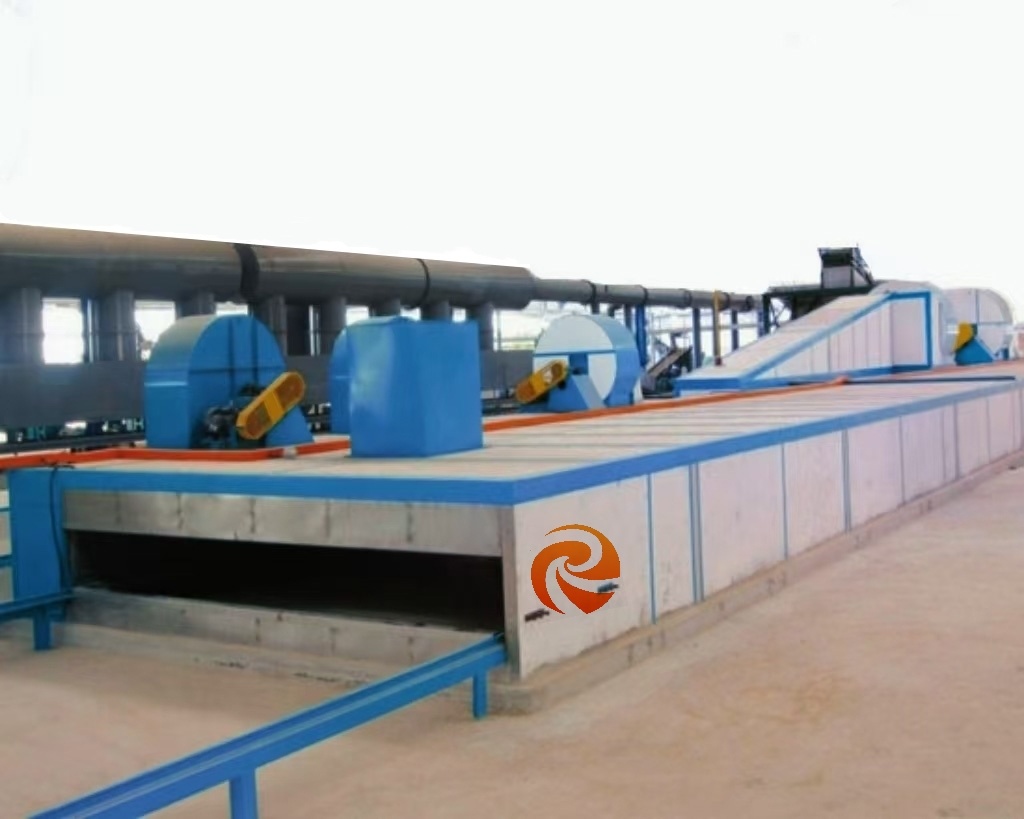
How Direct Biomass Fired Hot Air Furnaces Revolutionize Energy Efficiency in Industrial Applications
Table of Contents
1. Introduction to Biomass Fired Hot Air Furnaces
2. Understanding Energy Efficiency in Industrial Settings
3. The Mechanism of Direct Biomass Fired Hot Air Furnaces
3.1 How Biomass Fuel is Processed
3.2 Heat Generation and Distribution
4. Advantages of Using Biomass Fired Hot Air Furnaces
4.1 Cost-Effectiveness and Economic Benefits
4.2 Environmental Impact and Sustainability
5. Applications of Biomass Fired Hot Air Furnaces in Industry
5.1 Food Processing
5.2 Textile Industry
5.3 Wood and Paper Industries
6. Case Studies: Successful Implementations
7. Future Trends in Biomass Energy Solutions
8. FAQs About Direct Biomass Fired Hot Air Furnaces
9. Conclusion
1. Introduction to Biomass Fired Hot Air Furnaces
In recent years, industries worldwide have shifted towards more sustainable energy solutions, and **direct biomass fired hot air furnaces** have emerged as a frontrunner in this transition. These systems utilize organic materials, such as wood chips, agricultural residues, and other biomass sources, to generate heat energy. This article delves into how these furnaces significantly improve energy efficiency for industrial applications while promoting a cleaner environment.
2. Understanding Energy Efficiency in Industrial Settings
Energy efficiency is crucial for industries aiming to reduce costs and environmental impact. It refers to the ability to use less energy to provide the same level of energy service. In industrial contexts, improving energy efficiency not only lowers operational expenses but also enhances productivity. Biomass fired hot air furnaces contribute to energy efficiency by utilizing renewable resources, which often results in lower operational costs compared to traditional fossil fuel systems.
3. The Mechanism of Direct Biomass Fired Hot Air Furnaces
Direct biomass fired hot air furnaces operate on a straightforward principle: converting biomass into heat energy. This section will explore the mechanisms involved in this energy conversion process.
3.1 How Biomass Fuel is Processed
The initial step in the operation of a biomass fired hot air furnace involves the processing of biomass fuel. This includes drying, shredding, and sometimes pelletizing the biomass to ensure uniform combustion and optimal heat generation. Properly processed biomass can achieve higher combustion efficiency, which enhances overall energy output.
3.2 Heat Generation and Distribution
Once the biomass is fed into the furnace, it undergoes combustion, producing hot gases that transfer heat to an air stream. This hot air can then be distributed throughout the facility for various applications, including drying, heating, and processing. The efficiency of heat distribution directly contributes to the energy savings that industries seek.
4. Advantages of Using Biomass Fired Hot Air Furnaces
Biomass fired hot air furnaces offer several advantages that make them a preferred choice for many industrial applications.
4.1 Cost-Effectiveness and Economic Benefits
One of the most significant advantages of biomass furnaces is the potential for cost savings. Biomass fuels are often cheaper and more abundant than traditional fossil fuels. Furthermore, the operational costs associated with biomass systems are frequently lower due to reduced energy consumption and maintenance needs, ultimately leading to enhanced profit margins for businesses.
4.2 Environmental Impact and Sustainability
Biomass energy is considered carbon-neutral, meaning that the carbon dioxide released during combustion is offset by the carbon dioxide absorbed by the plants during their growth. This characteristic significantly reduces the carbon footprint of industrial operations. Additionally, utilizing waste biomass contributes to waste management solutions, making biomass fired hot air furnaces a sustainable alternative to fossil fuels.
5. Applications of Biomass Fired Hot Air Furnaces in Industry
The versatility of biomass fired hot air furnaces allows them to be used across various industries.
5.1 Food Processing
In the food processing industry, biomass hot air furnaces are used for drying fruits, vegetables, and other products. The consistent heat provided by these furnaces ensures that food items are dried evenly, preserving their quality and extending their shelf life.
5.2 Textile Industry
The textile industry also benefits from the use of biomass fired hot air furnaces, particularly in processes like drying fabrics and dyes. The ability to maintain precise temperatures enhances the quality of the final product while promoting energy efficiency.
5.3 Wood and Paper Industries
In the wood and paper manufacturing sectors, biomass furnaces provide the necessary heat for processes such as drying lumber and producing paper products. The use of biomass not only improves energy efficiency but also aligns with the circular economy principles by recycling wood waste.
6. Case Studies: Successful Implementations
Several companies have successfully implemented direct biomass fired hot air furnaces, showcasing their effectiveness and benefits. For instance, a leading paper manufacturer in Europe transitioned from fossil fuels to biomass heating systems, resulting in a 30% reduction in heating costs and a significant decrease in greenhouse gas emissions.
Another example includes a food processing plant that adopted biomass heating, reducing energy expenses by 25%, while also improving product quality through consistent drying processes.
7. Future Trends in Biomass Energy Solutions
As industries continue to seek sustainable energy solutions, the future of biomass fired hot air furnaces looks promising. Innovations in biomass processing technology, such as advanced combustion techniques and improved heat recovery systems, are expected to further enhance their efficiency and reliability.
Moreover, government incentives and policies promoting renewable energy usage are likely to accelerate the adoption of biomass systems across various sectors.
8. FAQs About Direct Biomass Fired Hot Air Furnaces
**Q1: What types of biomass can be used in these furnaces?**
A1: Various biomass materials can be utilized, including wood chips, agricultural residues, and dedicated energy crops.
**Q2: How do biomass fired hot air furnaces compare to traditional fossil fuel systems?**
A2: Biomass furnaces generally have lower operational costs, a smaller carbon footprint, and can be more sustainable than fossil fuel systems.
**Q3: Are there any maintenance requirements for biomass fired furnaces?**
A3: While biomass systems require regular maintenance like cleaning ash and checking fuel quality, they are often designed for ease of use and low maintenance needs.
**Q4: Can biomass fired hot air furnaces be integrated into existing industrial setups?**
A4: Yes, many biomass systems are designed to be retrofitted into existing heating setups, allowing for a smooth transition.
**Q5: What are the economic implications of switching to biomass energy?**
A5: Transitioning to biomass can lead to significant cost savings on fuel, reduced energy consumption, and potential government incentives.
9. Conclusion
Direct biomass fired hot air furnaces represent a significant advancement in energy efficiency for industrial operations. By harnessing renewable biomass resources, these systems not only reduce energy costs but also contribute to a more sustainable future. As industries increasingly prioritize eco-friendly practices, the adoption of biomass technology will likely play a critical role in shaping the energy landscape. By investing in these innovative heating solutions, companies can achieve greater operational efficiency while supporting environmental sustainability.
More information


Online Message
Do you have any intention of cooperation? You can leave your contact information, and we will be happy to serve you.
Contact us
Contact: Rosie
FAX: +86-571-86726270



Room 605, 6th Floor, Building 2, East Station Garden Business Center, Shangcheng District, Hangzhou City, Zhejiang Province