
Welcome To CB Piping System Co., ltd., ...

Maximizing Efficiency with Heat-Exchanging Biomass Fired Hot Air Furnaces
Release time:
2025-10-12
Heat-exchanging biomass fired hot air furnaces represent a significant advancement in the field of industrial heating equipment, particularly within the drying sector. These furnaces leverage biomass as a renewable energy source, providing an environmentally friendly alternative to traditional fossil fuels. The primary function of these systems is to generate hot air for drying processes, making t
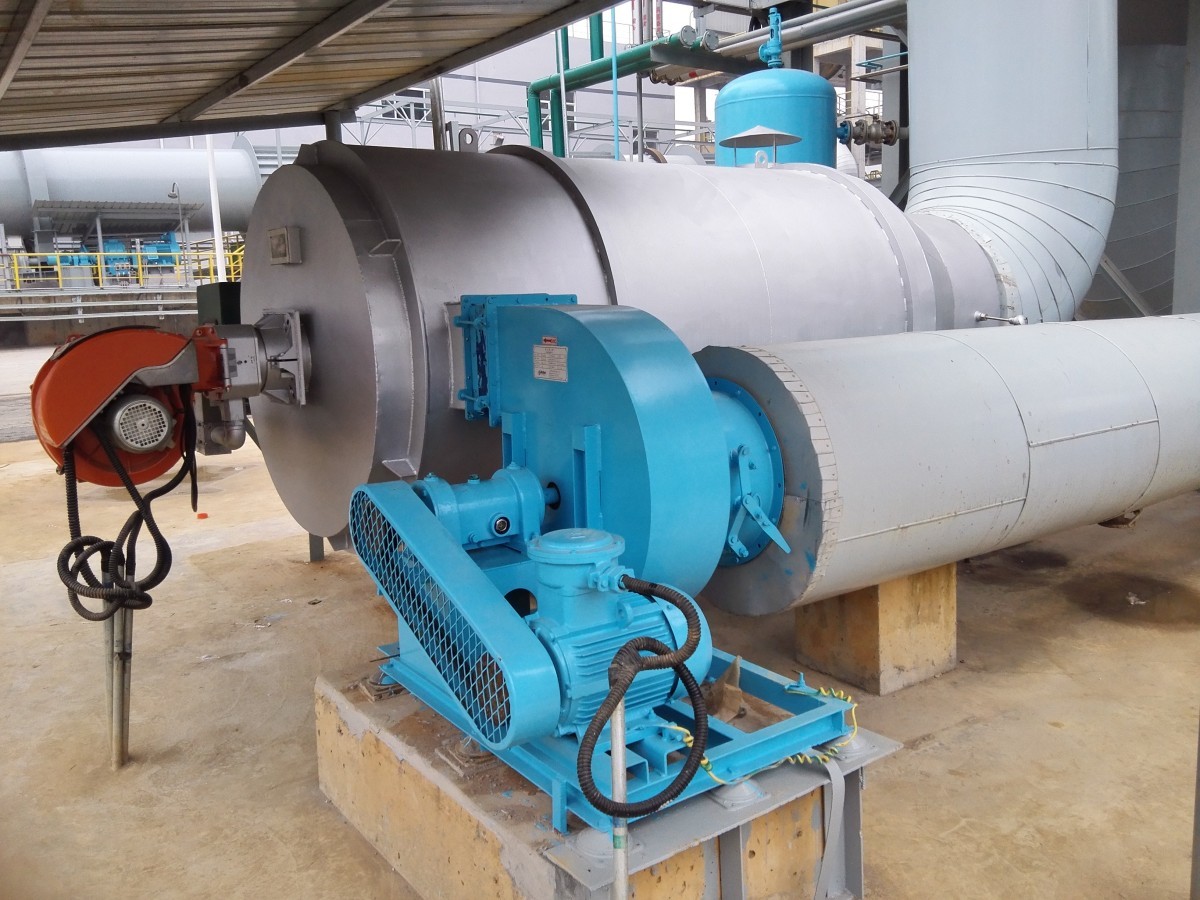
One of the most notable features of heat-exchanging biomass fired hot air furnaces is their energy efficiency. By utilizing biomass, these furnaces harness energy from organic materials, such as wood chips, agricultural residues, or other biological waste. This not only reduces dependence on non-renewable energy sources but also minimizes carbon emissions, contributing to sustainability goals. The heat-exchanging mechanism enhances thermal efficiency, allowing the furnace to transfer heat more effectively and reduce fuel consumption.
Operationally, heat-exchanging biomass fired hot air furnaces offer flexibility in terms of biomass types. Users can select from a variety of feedstocks, which allows for optimized fuel management according to availability and cost. Moreover, the design of these furnaces often incorporates advanced combustion technology, ensuring complete combustion of biomass and reducing particulate emissions. This attention to detail is crucial in meeting stringent environmental regulations and improving air quality.
In terms of maintenance, these furnaces are designed for durability and ease of servicing. Regular maintenance is essential for ensuring optimal performance. Users should follow manufacturer guidelines for cleaning and checks on critical components such as the heat exchanger and combustion chamber. This proactive approach can extend the lifespan of the furnace and ensure consistent operational efficiency.
Additionally, integrating a heat-exchanging biomass fired hot air furnace into an existing drying system can lead to significant operational cost savings. The initial investment in such technology can be offset by reduced fuel costs and longer equipment life. Furthermore, the versatility of these furnaces allows for scalability, accommodating a range of production capacities and changes in operational requirements.
In summary, heat-exchanging biomass fired hot air furnaces are an effective solution for industries seeking to enhance their drying processes while prioritizing sustainability. By optimizing energy efficiency, providing operational flexibility, and reducing environmental impact, these furnaces stand out as a smart choice for modern industrial applications. Embracing this technology can yield substantial long-term benefits for businesses looking to innovate and adapt to a greener future.
More information


Online Message
Do you have any intention of cooperation? You can leave your contact information, and we will be happy to serve you.
Contact us
Contact: Rosie
FAX: +86-571-86726270



Room 605, 6th Floor, Building 2, East Station Garden Business Center, Shangcheng District, Hangzhou City, Zhejiang Province