
Welcome To CB Piping System Co., ltd., ...
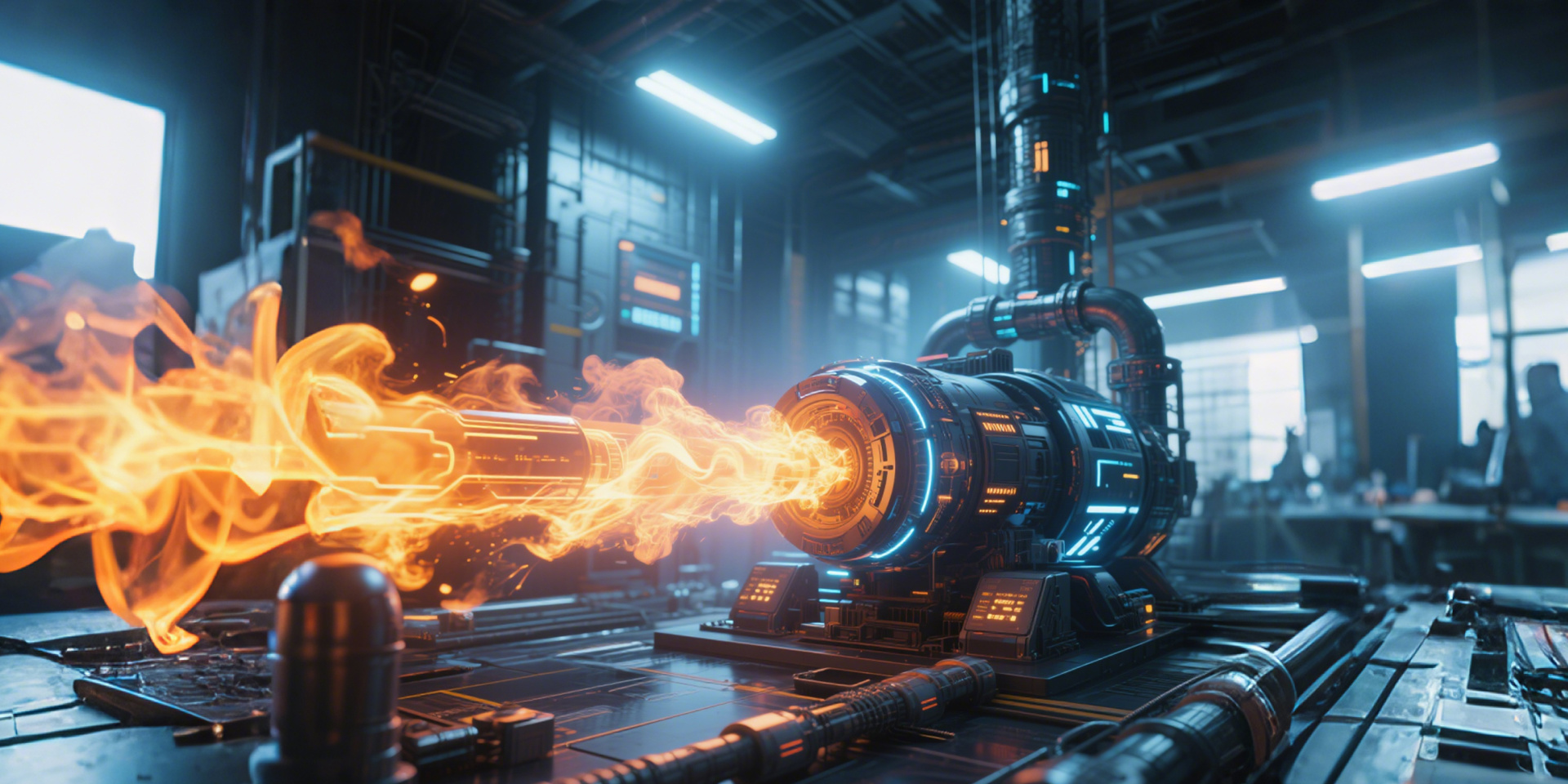
Understanding the Mechanisms of Gas Fired Forced Air Furnaces: A Comprehensive Guide
Release time:
2025-10-26
Understanding the Mechanisms of Gas Fired Forced Air Furnaces Table of Contents 1. Introduction to Gas Fired Forced Air Furnaces 2. Key Components of Gas Fired Forced Air Furnaces 3. How Gas Fired Forced Air Furnaces Operate 4. Maximizing Efficiency in Gas Fired Furnaces 5. Proper Installation Techniques for Optimal Performance 6. Maintenance Tips for Longevity 7. Common Issues and
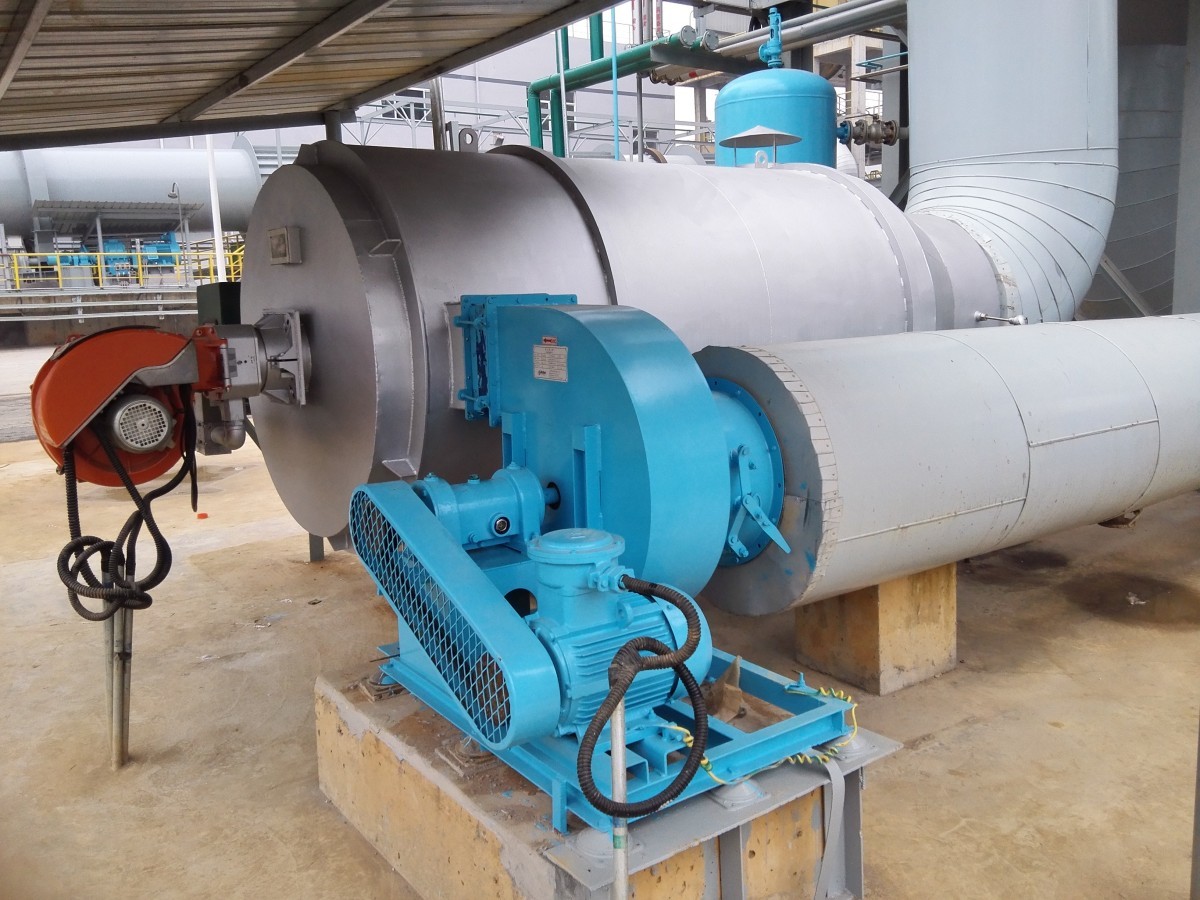
Understanding the Mechanisms of Gas Fired Forced Air Furnaces
Table of Contents
- 1. Introduction to Gas Fired Forced Air Furnaces
- 2. Key Components of Gas Fired Forced Air Furnaces
- 3. How Gas Fired Forced Air Furnaces Operate
- 4. Maximizing Efficiency in Gas Fired Furnaces
- 5. Proper Installation Techniques for Optimal Performance
- 6. Maintenance Tips for Longevity
- 7. Common Issues and Troubleshooting
- 8. Conclusion
- 9. FAQs about Gas Fired Forced Air Furnaces
1. Introduction to Gas Fired Forced Air Furnaces
Gas fired forced air furnaces are a popular choice for residential and commercial heating due to their efficiency and effectiveness. These systems use natural gas or propane to generate heat, distributing it through a series of ducts and vents. **Understanding how these furnaces work** is crucial for optimizing performance, ensuring safety, and achieving economic efficiency. This article will explore the intricate mechanisms behind gas fired forced air furnaces, empowering you with the knowledge needed to make informed decisions.
2. Key Components of Gas Fired Forced Air Furnaces
To fully grasp the operational dynamics of gas fired forced air furnaces, we must first examine their essential components. Each part plays a critical role in the overall functionality of the system.
2.1 Heat Exchanger
The heat exchanger is a vital component that facilitates the transfer of heat from the combustion chamber to the air. Essentially, it is where the gas combustion occurs, and it’s crucial that this component is efficient and well-maintained to prevent heat loss.
2.2 Blower Motor
The blower motor is responsible for pushing the heated air through the ductwork into various rooms. A well-functioning blower motor ensures even distribution of heat, promoting comfort throughout the space.
2.3 Thermostat
The thermostat acts as the control center for the furnace. It senses the temperature in the home and regulates the operation of the furnace to maintain set temperature levels. Modern thermostats can include smart features that provide enhanced control and monitoring.
2.4 Venting System
The venting system expels exhaust gases produced during combustion. Proper venting is essential for safety, ensuring that harmful gases do not enter living spaces.
2.5 Safety Features
Safety features, including gas valves and flame sensors, are crucial in preventing accidents. These components monitor the system for any irregularities and shut down operations if necessary.
3. How Gas Fired Forced Air Furnaces Operate
Understanding the operational sequence of gas fired forced air furnaces is essential. Here's a breakdown of the process:
3.1 Ignition Process
When the thermostat calls for heat, the furnace starts the ignition sequence. In modern systems, this often involves electronic ignition, which eliminates the need for a standing pilot light.
3.2 Combustion of Gas
Once ignited, gas burns in the combustion chamber, rapidly heating the heat exchanger. This is where the key transformation occurs, as the heat generated is transferred to the air circulating through the furnace.
3.3 Air Circulation
The blower motor activates and circulates the heated air through the ductwork. This process continues until the thermostat reaches the desired temperature, at which point the furnace cycles off.
3.4 Exhaust Management
Exhaust gases are vented outside, ensuring that the indoor air quality remains safe. This process not only maintains efficiency but also safeguards the residents from harmful fumes.
4. Maximizing Efficiency in Gas Fired Furnaces
Efficiency is a critical consideration for any heating system. Here are some strategies to improve the efficiency of gas fired forced air furnaces:
4.1 Regular Maintenance
Scheduled maintenance is essential for ensuring that all components are functioning optimally. Cleaning filters, checking burners, and inspecting ductwork can significantly enhance efficiency.
4.2 Proper Insulation
Ensuring that your home is well-insulated prevents heat loss and maximizes the efficacy of your furnace. Consider insulating ducts, walls, and attics to retain warmth.
4.3 Upgrading Thermostats
Investing in programmable or smart thermostats can lead to improved energy management and reduced consumption. These devices allow homeowners to tailor heating schedules according to their lifestyle.
4.4 Sealing Ducts
Leaky ducts can account for substantial energy loss. Sealing any gaps or cracks can ensure that heated air reaches its intended destination, enhancing overall performance.
5. Proper Installation Techniques for Optimal Performance
Installation is a pivotal factor in the performance of gas fired forced air furnaces. Here’s what to consider:
5.1 Hiring Professionals
While some homeowners may wish to tackle installations independently, hiring qualified technicians ensures the job is done correctly and safely.
5.2 Adhering to Local Codes
It is crucial to ensure that installations comply with local building codes and regulations. This not only ensures safety but also helps in maintaining warranties.
5.3 Planning Ductwork Layout
An efficient ductwork layout is crucial for the optimal functioning of forced air systems. It’s essential to plan for straight and unobstructed paths to minimize resistance.
6. Maintenance Tips for Longevity
Regular maintenance is vital for the longevity of gas fired forced air furnaces. Here are key practices to adopt:
6.1 Change Filters Regularly
Filters should be changed at least every three months to prevent dust build-up and maximize airflow.
6.2 Inspect Components
Regularly inspect the heat exchanger, blowers, and other components for any signs of wear or damage. Early detection can prevent costly repairs.
6.3 Schedule Professional Inspections
Annual inspections by certified technicians can help catch issues before they escalate. These professionals can perform a thorough check-up, ensuring all parts are functioning efficiently.
7. Common Issues and Troubleshooting
Even with proper maintenance, gas fired forced air furnaces can encounter issues. Here are some common problems and how to troubleshoot them:
7.1 Furnace Won't Start
If your furnace isn’t starting, check the thermostat settings, power supply, and ensure that the gas valve is open. If the issue persists, consult a professional.
7.2 No Heat Production
If the furnace runs but no heat is produced, inspect the filters for clogs and ensure that the heat exchanger is clear of obstructions.
7.3 Unusual Noises
Strange noises, such as rattling or grinding, may indicate loose components or mechanical failure. It’s advisable to turn off the furnace and consult a technician.
7.4 Frequent Cycling
If the furnace turns on and off rapidly, it could be due to an oversized unit, blocked vents, or a malfunctioning thermostat. Detailed assessment is necessary for resolution.
8. Conclusion
Gas fired forced air furnaces are an efficient and effective heating solution for homes and businesses. Understanding their mechanisms, from the combustion of gas to the distribution of warm air, empowers users to maintain optimal performance and efficiency. Regular maintenance, proper installation, and immediate troubleshooting of common issues are vital for ensuring the longevity and effectiveness of these heating systems. As we continue to focus on energy efficiency and comfort, mastering the operation of gas fired forced air furnaces becomes increasingly valuable.
9. FAQs about Gas Fired Forced Air Furnaces
What is the average lifespan of a gas fired forced air furnace?
The average lifespan is typically between **15 to 30 years**, depending on maintenance and usage.
How can I tell if my furnace is running efficiently?
You can monitor your utility bills for sudden increases in energy costs and keep track of how quickly your space heats up.
Are gas fired furnaces safe?
Yes, when properly maintained and installed, gas fired furnaces are safe. Regular inspections can help identify potential safety issues.
Can I convert my electric furnace to a gas fired one?
Yes, it is possible, but it requires significant modifications and should be performed by a qualified professional.
How do I choose the right size furnace for my home?
Calculating the square footage of your space and consulting with a heating professional can help determine the appropriate furnace size for your needs.
More information


Online Message
Do you have any intention of cooperation? You can leave your contact information, and we will be happy to serve you.
Contact us
Contact: Rosie
FAX: +86-571-86726270



Room 605, 6th Floor, Building 2, East Station Garden Business Center, Shangcheng District, Hangzhou City, Zhejiang Province