
Welcome To CB Piping System Co., ltd., ...

Why Choose Indirect Heat Exchangers for Your Industrial Needs?
Release time:
2026-02-07
Why Choose Indirect Heat Exchangers for Your Industrial Needs? Table of Contents Introduction to Indirect Heat Exchangers What Are Indirect Heat Exchangers? Key Advantages of Indirect Heat Exchangers Applications in Various Industries How Indirect Heat Exchangers Work Choosing the Right Indirect Heat Exchanger Maintenance and Reliability Considerations Frequently A
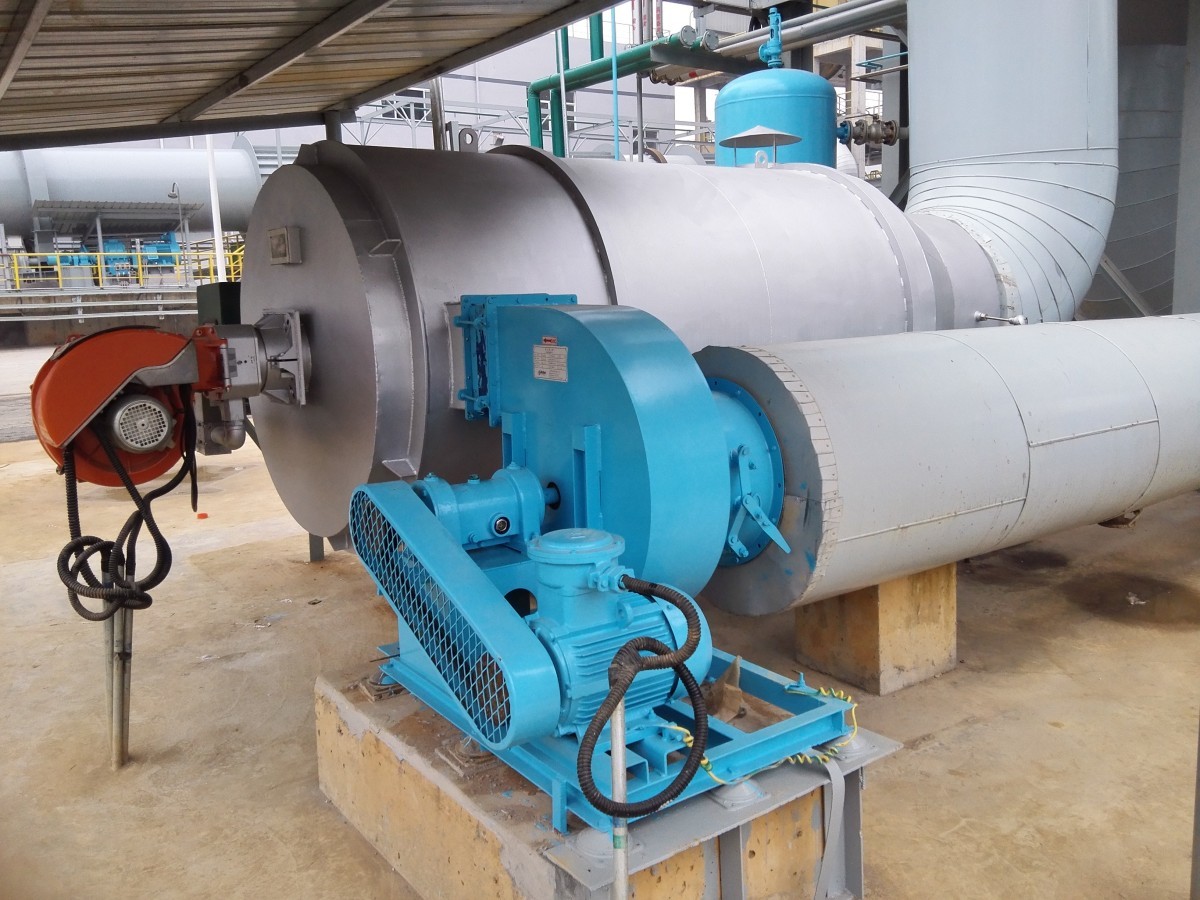
Why Choose Indirect Heat Exchangers for Your Industrial Needs?
Table of Contents
- Introduction to Indirect Heat Exchangers
- What Are Indirect Heat Exchangers?
- Key Advantages of Indirect Heat Exchangers
- Applications in Various Industries
- How Indirect Heat Exchangers Work
- Choosing the Right Indirect Heat Exchanger
- Maintenance and Reliability Considerations
- Frequently Asked Questions
- Conclusion
Introduction to Indirect Heat Exchangers
In the industrial landscape, the efficiency of thermal management is paramount. For optimal heat transfer while minimizing energy consumption, **indirect heat exchangers** stand out as the preferred choice. They offer a unique solution for industries looking to enhance operational efficiency and reliability.
What Are Indirect Heat Exchangers?
Indirect heat exchangers are devices designed to transfer heat between two or more fluids without allowing them to mix. Unlike direct heat exchangers, where fluids come into direct contact, indirect types use heat transfer surfaces to achieve efficiency and safety. This method significantly reduces the risk of contamination and allows for versatile applications across various sectors.
The Mechanism Behind Indirect Heat Exchangers
The core functionality of these exchangers lies in their ability to transfer thermal energy via conduction through a barrier. The **primary fluids**, often referred to as the hot and cold fluids, circulate around or through separate channels, utilizing materials that facilitate optimal thermal conductivity.
Key Advantages of Indirect Heat Exchangers
Choosing indirect heat exchangers comes with a multitude of benefits that can positively impact your industrial operations:
1. Enhanced Efficiency
Indirect heat exchangers can achieve higher thermal efficiency due to their design, which maximizes the surface area available for heat transfer. This efficiency means lower energy costs and reduced emissions.
2. Improved Safety
With no direct contact between the hot and cold fluids, the risk of contamination is significantly minimized. This makes indirect heat exchangers particularly suitable for industries like food processing and pharmaceuticals, where hygiene is critical.
3. Versatility in Applications
Their adaptability allows indirect heat exchangers to be used in various industries including chemical processing, oil and gas, power generation, and HVAC systems. This versatility enables companies to implement a single solution for multiple applications.
4. Low Maintenance Requirements
Indirect heat exchangers are designed for reliability and long-term use. The materials used often resist corrosion and fouling, which can lead to lower maintenance costs and prolonged lifespans.
5. Flexibility in Design
These exchangers can be engineered to fit specific operational requirements. Their customizable nature allows businesses to optimize their systems for performance, space, and budget constraints.
Applications in Various Industries
The industrial applications of indirect heat exchangers are vast and varied:
1. Chemical Processing
In chemical manufacturing, precision in temperature control is vital. Indirect heat exchangers provide the necessary capabilities to manage heat loads effectively, ensuring the safety and efficiency of chemical reactions.
2. Oil and Gas Industry
In oil refining and gas processing, indirect heat exchangers assist in the recovery of heat, optimizing energy use and improving overall process efficiency.
3. Power Generation
These heat exchangers are integral in power plants, facilitating the transfer of heat from combustion gases to water, which generates steam for turbines.
4. Food and Beverage Sector
Hygiene and safety are critical in the food industry. Indirect heat exchangers enable pasteurization and other processes without risking contamination.
5. HVAC Applications
In heating, ventilation, and air conditioning systems, indirect heat exchangers improve thermal efficiency and comfort in residential and commercial buildings.
How Indirect Heat Exchangers Work
Understanding the operational principles of indirect heat exchangers can aid in appreciating their value:
1. Heat Transfer Mechanism
Heat is transferred through conductive materials. As the hot fluid moves through one channel, it warms the surface, which in turn heats the cooler fluid in an adjacent channel without any mixing.
2. Types of Indirect Heat Exchangers
There are various designs including shell and tube, plate, and finned tube heat exchangers, each suited for different applications based on thermal load requirements and space availability.
3. Performance Considerations
Factors such as flow rates, temperature differences, and material choices play significant roles in determining the overall performance of heat exchangers. It’s crucial to evaluate these parameters for optimal operation.
Choosing the Right Indirect Heat Exchanger
Selecting the appropriate indirect heat exchanger involves several considerations:
1. Assessing Thermal Requirements
Identify the specific thermal needs of your application, including the desired temperature ranges and heat transfer rates.
2. Material Selection
Choose materials that are compatible with the fluids involved and resistant to corrosion and fouling. Common materials include stainless steel, copper, and titanium.
3. Evaluating Space Constraints
Consider the physical space available for installation. The design of the heat exchanger should fit within the operational layout while maintaining optimal performance.
4. Future Scalability
Plan for future growth. Opt for designs that can be easily modified or expanded to meet changing demands.
Maintenance and Reliability Considerations
To ensure your indirect heat exchangers operate reliably, consistent maintenance is essential:
1. Regular Inspections
Conduct routine inspections to identify any potential issues before they escalate. Check for leaks, corrosion, or fouling.
2. Cleaning Procedures
Implement cleaning protocols to remove deposits that may hinder performance. This can involve chemical cleaning or mechanical methods depending on the application.
3. Monitoring Systems
Utilize monitoring systems to track performance metrics and identify deviations from optimal operation. Early detection can prevent costly downtimes.
Frequently Asked Questions
1. What is the primary benefit of using indirect heat exchangers?
The primary benefit lies in their ability to minimize contamination risks while providing efficient heat transfer.
2. Are indirect heat exchangers suitable for high-temperature applications?
Yes, many designs are engineered to handle high-temperature fluids, making them versatile across various sectors.
3. How often should indirect heat exchangers be maintained?
Maintenance frequency depends on usage and operating conditions; however, regular inspections and cleaning should be performed at least annually.
4. Can indirect heat exchangers be customized for specific needs?
Absolutely! They can be tailored in terms of size, material, and configuration to meet the specific demands of your application.
5. What materials are typically used in the construction of indirect heat exchangers?
Common materials include stainless steel, carbon steel, and specialized alloys, chosen for their thermal conductivity and resistance to corrosion.
Conclusion
In conclusion, indirect heat exchangers present a compelling choice for industries seeking to optimize their thermal management processes. With their enhanced efficiency, safety, and versatility, these systems not only streamline operations but also contribute to significant cost savings. By understanding their mechanics and applications, businesses can make informed decisions that bolster productivity and sustainability. As industries evolve, the importance of reliable heat transfer solutions like indirect heat exchangers will undoubtedly continue to grow, cementing their role as a cornerstone of industrial efficiency.
More information


Online Message
Do you have any intention of cooperation? You can leave your contact information, and we will be happy to serve you.
Contact us
Contact: Rosie
FAX: +86-571-86726270



Room 605, 6th Floor, Building 2, East Station Garden Business Center, Shangcheng District, Hangzhou City, Zhejiang Province