
Welcome To CB Piping System Co., ltd., ...
Understanding Fired Furnaces: Key Insights for Industrial Professionals
Release time:
2026-02-22
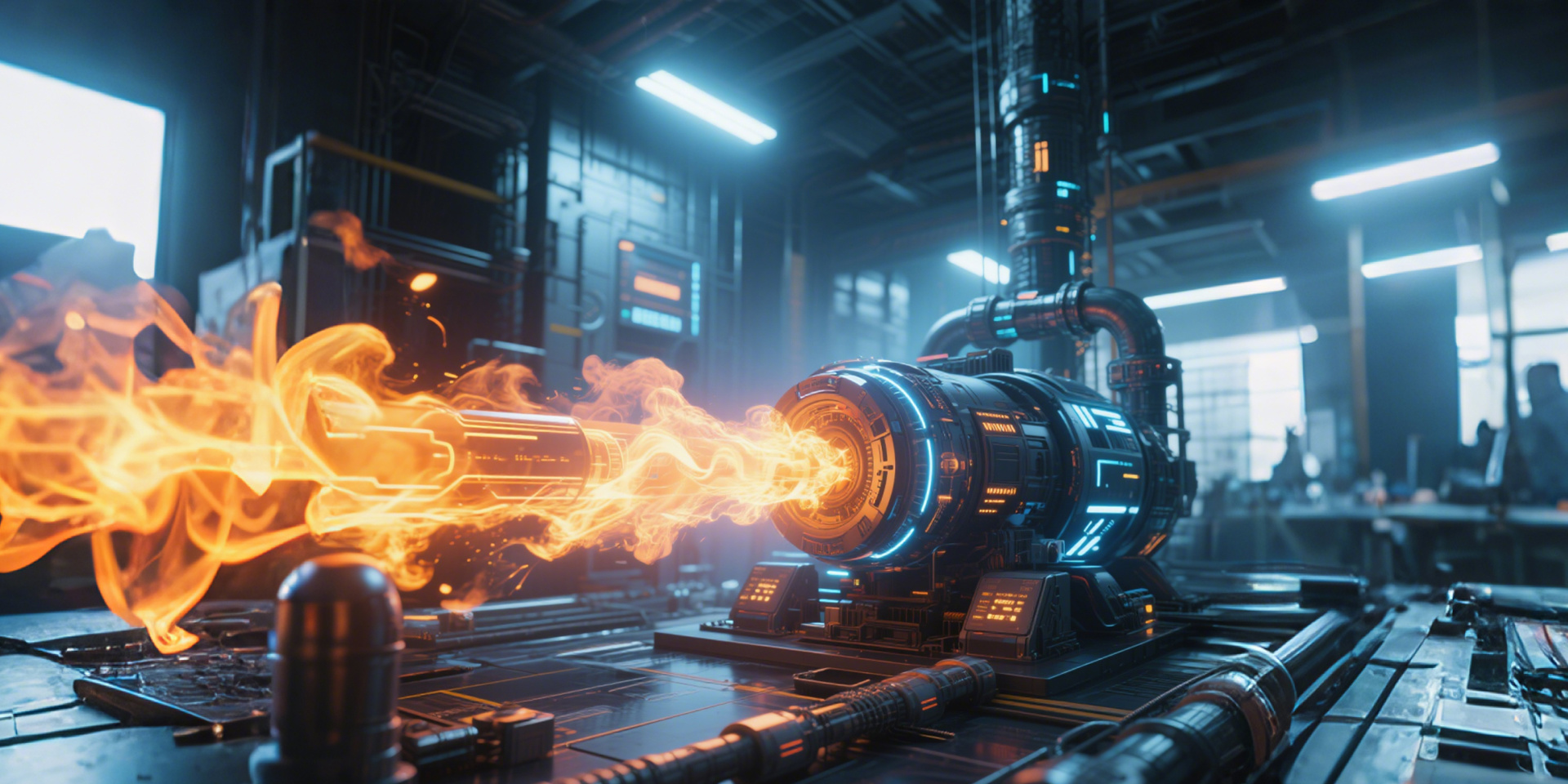
Fired furnaces are high-temperature equipment used primarily for heating materials in a variety of industrial processes. These furnaces rely on the combustion of fuels, such as oil or natural gas, to generate the necessary heat for processing materials. Understanding the fundamentals of fired furnaces is essential for professionals in the industrial equipment sector, especially those involved in b

One of the primary advantages of fired furnaces is their ability to achieve consistent and controllable heating levels. This characteristic is particularly important in applications where precise temperature regulation is vital for product quality. For example, in the production of metals or ceramics, maintaining uniform heat distribution can significantly impact material properties and overall performance.
In terms of efficiency, modern fired furnaces have seen significant advancements. Many units are designed with enhanced insulation and advanced combustion technology, allowing for reduced energy consumption and lower emissions. Professionals should consider the importance of selecting a furnace with an optimal efficiency rating, as this can lead to substantial cost savings over time and contribute to sustainability goals.
Maintenance is another critical aspect of operating a fired furnace. Regular inspections and servicing are essential to ensure safety and operational efficiency. Common maintenance practices include checking for any wear and tear on components, ensuring proper calibration of combustion controls, and cleaning exhaust systems to prevent blockages. A well-maintained furnace not only extends the equipment's lifespan but also enhances performance and safety.
The choice of fuel for fired furnaces can also influence operational costs and environmental impact. Oil-fired boilers, for example, are known for their reliability and high heating output, but the fluctuating prices of fuel oil can affect overall operational budgets. As industries increasingly shift towards greener practices, exploring alternative fuels and hybrid systems may provide additional benefits in terms of cost and sustainability.
In conclusion, fired furnaces are integral components in industrial processes, particularly in the field of boiler systems. Understanding their operation, maintenance requirements, and efficiency factors is essential for professionals in the industrial equipment sector. By focusing on these aspects, industrial professionals can optimize their operations, reduce costs, and contribute to a more sustainable future in their respective fields.
More information


Online Message
Do you have any intention of cooperation? You can leave your contact information, and we will be happy to serve you.
Contact us
Contact: Rosie
FAX: +86-571-86726270



Room 605, 6th Floor, Building 2, East Station Garden Business Center, Shangcheng District, Hangzhou City, Zhejiang Province