
Welcome To CB Piping System Co., ltd., ...

Maximizing Efficiency with Gas Fired Hot Air Furnaces: A Comprehensive Guide
Release time:
2025-10-16
Gas fired hot air furnaces are essential equipment in various industrial applications, particularly in the drying sector. These furnaces utilize natural gas or propane to generate hot air, which is then circulated through the drying chamber to remove moisture from products such as textiles, food, and wood. Their design emphasizes efficiency, reliability, and effective heating, making them a prefer
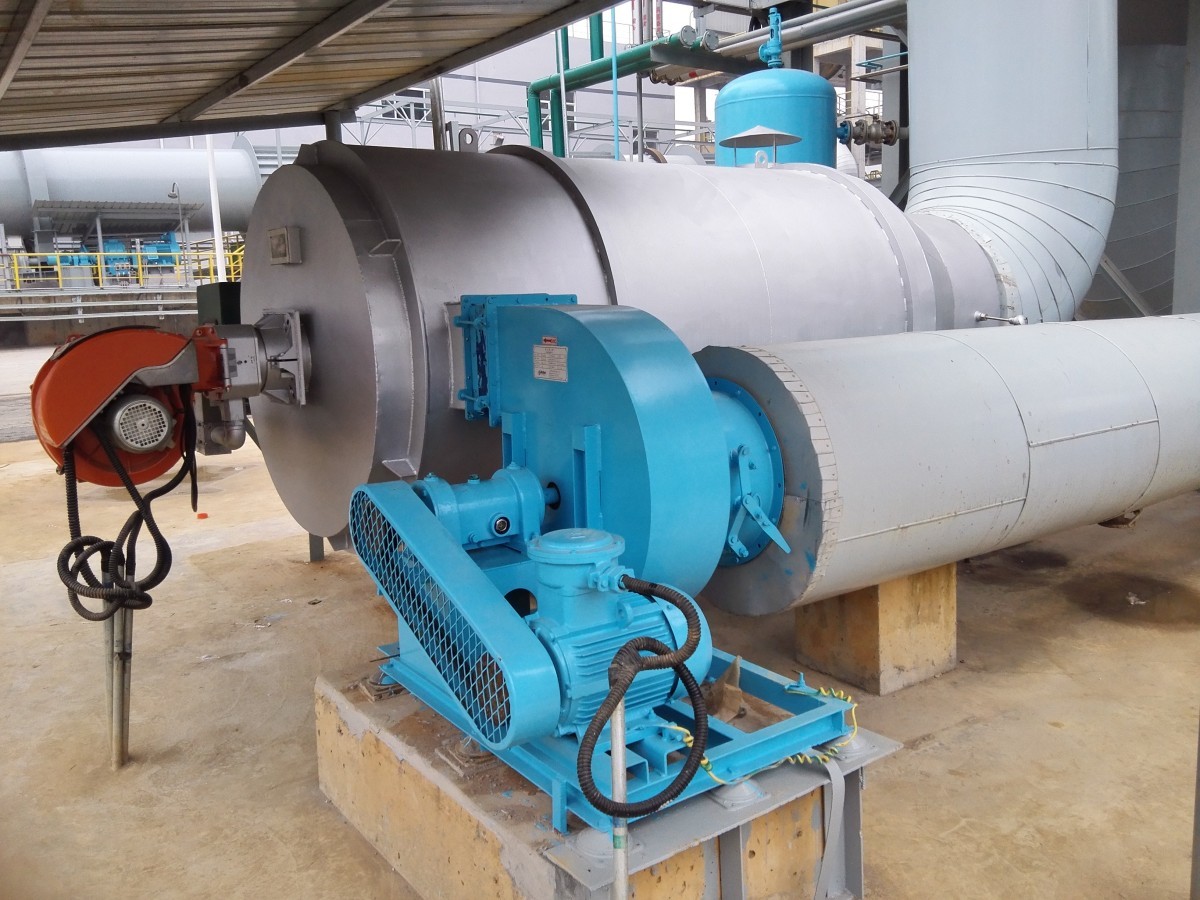
One of the primary advantages of gas fired hot air furnaces is their energy efficiency. By harnessing gas as a fuel source, these furnaces can achieve higher thermal efficiency compared to electric counterparts. This not only reduces energy costs but also lowers the overall carbon footprint of the operation. Additionally, gas fired systems often heat up more quickly, allowing for faster processing times and increased productivity.
In terms of operational flexibility, gas fired hot air furnaces can be tailored to meet specific drying requirements. They come equipped with various control systems that allow operators to adjust temperature and airflow rates, ensuring optimal drying conditions for different materials. This versatility is crucial in industries where product integrity is paramount, as improper drying can lead to defects or compromised quality.
Maintenance is another critical consideration when it comes to gas fired hot air furnaces. Regular upkeep is essential to ensure the safe and efficient operation of the furnace. This includes routine inspections, cleaning of burners and heat exchangers, and monitoring of gas supply lines. Proper maintenance not only enhances performance but also prolongs the life of the equipment, reducing the need for costly replacements.
Safety is a key aspect of operating gas fired hot air furnaces. It is imperative to follow all safety protocols and guidelines set by manufacturers and regulatory bodies. This includes installing gas detection systems, ensuring proper ventilation, and training staff on emergency procedures. By prioritizing safety, businesses can mitigate risks associated with gas leaks or fire hazards.
In conclusion, gas fired hot air furnaces are a vital asset in the industrial drying process. Their energy efficiency, operational versatility, and the importance of maintenance and safety protocols make them an ideal choice for manufacturers looking to enhance productivity while maintaining product quality. Understanding the benefits and operational practices associated with these systems can lead to improved performance and a competitive edge in the market.


Online Message
Do you have any intention of cooperation? You can leave your contact information, and we will be happy to serve you.
Contact us
Contact: Rosie
FAX: +86-571-86726270



Room 605, 6th Floor, Building 2, East Station Garden Business Center, Shangcheng District, Hangzhou City, Zhejiang Province