
Welcome To CB Piping System Co., ltd., ...
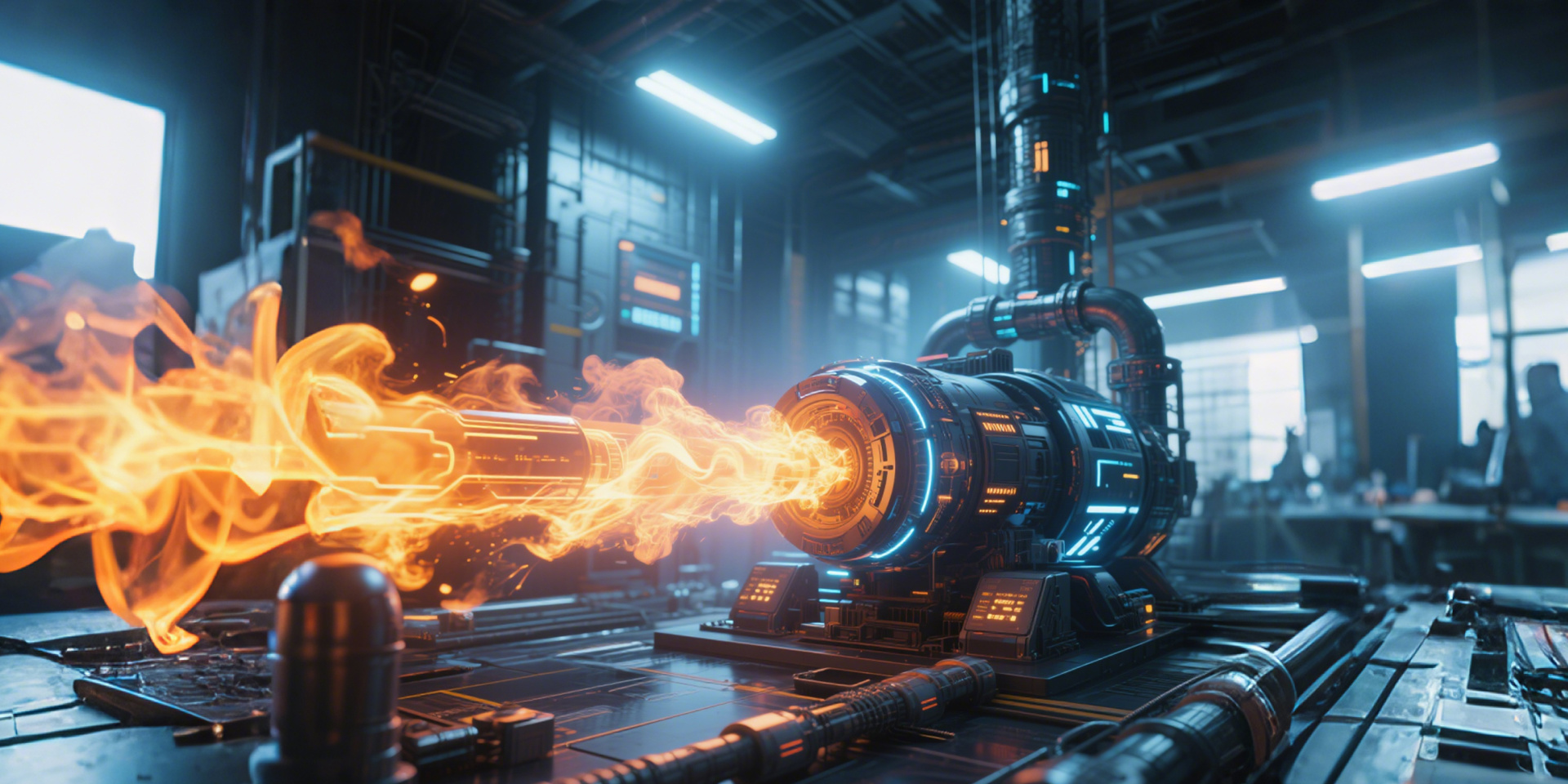
Understanding Direct Fired Burners: Key Benefits and Features Explained
Release time:
2026-02-01
Understanding Direct Fired Burners: Key Benefits and Features Explained Table of Contents 1. Introduction to Direct Fired Burners 2. What Are Direct Fired Burners? 3. Key Benefits of Direct Fired Burners 3.1 High Thermal Efficiency 3.2 Cost-Effectiveness 3.3 Compact Design 3.4 Reduced Emissions 4. Features of Direct

Understanding Direct Fired Burners: Key Benefits and Features Explained
Table of Contents
- 1. Introduction to Direct Fired Burners
- 2. What Are Direct Fired Burners?
- 3. Key Benefits of Direct Fired Burners
- 4. Features of Direct Fired Burners
- 5. Applications of Direct Fired Burners in Industries
- 6. Best Practices for Installation and Maintenance
- 7. Common Issues and Solutions
- 8. Conclusion
- 9. Frequently Asked Questions
1. Introduction to Direct Fired Burners
Direct fired burners are essential components in various industrial processes. They provide an efficient way to generate heat through the combustion of fuel, directly introducing flame into the process environment. Understanding their operation, efficiency, and utility is crucial for optimizing performance in manufacturing and processing operations.
2. What Are Direct Fired Burners?
Direct fired burners utilize a straightforward mechanism to achieve combustion. Fuel and air mix in a combustion chamber, where they ignite, producing hot gases. These gases are then directed into the process environment, heating materials or spaces directly. This method contrasts with indirect heating systems, which transfer heat through a medium.
3. Key Benefits of Direct Fired Burners
Direct fired burners offer numerous advantages that make them a preferred choice for industrial heating applications.
3.1 High Thermal Efficiency
The primary benefit of direct fired burners is their **high thermal efficiency**. By directly introducing the flame into the process area, these burners minimize heat loss, ensuring that a significant portion of the generated heat is used effectively. This efficiency leads to faster heating times and improved productivity.
3.2 Cost-Effectiveness
Direct fired burners are also **cost-effective**. Their design allows for lower fuel consumption, which translates into reduced operational costs. Companies can save on energy bills without compromising performance, making them a smart investment for any industrial facility.
3.3 Compact Design
The **compact design** of direct fired burners frees up valuable floor space in industrial settings. Their smaller footprint allows for easier integration into existing systems, and they can be installed in a variety of configurations to suit specific process requirements.
3.4 Reduced Emissions
Modern direct fired burners incorporate technology that promotes **reduced emissions**. By ensuring complete combustion, they minimize the release of harmful pollutants into the environment. This compliance with stringent environmental regulations makes them an ideal choice for eco-conscious industries.
4. Features of Direct Fired Burners
Understanding the features of direct fired burners helps businesses select the right equipment for their needs.
4.1 Design Options
Direct fired burners come in various **design options**, including atmospheric burners, forced draft burners, and low-NOx burners. Each type serves specific applications, providing flexibility for industries looking for tailored solutions.
4.2 Fuel Compatibility
These burners can operate on a variety of fuels, including natural gas, propane, and even alternative fuels such as biofuels. The **fuel compatibility** of direct fired burners ensures that industries can choose the most cost-effective and sustainable options available.
4.3 Advanced Control Systems
Modern direct fired burners are equipped with **advanced control systems** that optimize combustion efficiency and safety. These systems allow for real-time monitoring and adjustments, ensuring consistent performance under varying operational conditions.
4.4 Safety Mechanisms
Safety is paramount in any industrial operation. Direct fired burners come with **safety mechanisms** such as flame detection systems, automatic shut-off valves, and pressure relief devices. These features protect both the equipment and the operators from potential hazards.
5. Applications of Direct Fired Burners in Industries
Direct fired burners find applications across various industries, including:
- **Metal Processing:** Used in foundries for melting metal and heat treating.
- **Food Processing:** Essential for drying, roasting, and cooking processes.
- **Ceramic Manufacturing:** Provides high temperatures required for firing ceramics.
- **Chemical Production:** Utilized in reaction processes requiring direct heat input.
The versatility of direct fired burners makes them an integral part of many industrial operations.
6. Best Practices for Installation and Maintenance
To maximize the efficiency and lifespan of direct fired burners, adhering to best practices during installation and maintenance is crucial.
- **Professional Installation:** Engage experienced technicians to install the burners correctly, ensuring compliance with industry standards.
- **Regular Inspections:** Implement routine inspections and maintenance schedules to identify potential issues before they escalate.
- **Calibration of Control Systems:** Regularly calibrate control systems to maintain optimal performance and safety standards.
These practices contribute to the overall reliability and efficiency of direct fired burners.
7. Common Issues and Solutions
Direct fired burners can experience various issues that may impact their performance. Understanding these problems and their solutions can enhance reliability.
- **Flame Stability:** If the flame is unstable, check fuel and air supply levels. Adjusting the airflow or cleaning the burner may resolve the issue.
- **Excessive Emissions:** High levels of emissions often indicate incomplete combustion. Inspect and clean the burner to ensure optimal performance.
- **Control System Failures:** If the control system malfunctions, consult the manual for troubleshooting steps. Regular maintenance can prevent such failures.
Addressing these common issues promptly helps maintain the efficiency and safety of direct fired burners.
8. Conclusion
Direct fired burners are essential components in many industrial processes, offering high thermal efficiency, cost-effectiveness, and versatility. Their advanced features and safety mechanisms make them a reliable choice for various applications. By understanding their benefits, features, and best practices for maintenance, industries can harness the full potential of direct fired burners, ensuring optimal performance and significant savings.
9. Frequently Asked Questions
1. What fuels can be used with direct fired burners?
Direct fired burners can utilize a wide range of fuels, including natural gas, propane, and even biofuels, providing flexibility for different industrial applications.
2. How do direct fired burners improve efficiency?
Direct fired burners improve efficiency by introducing flame directly into the process area, minimizing heat loss and ensuring that heat is effectively utilized.
3. Are there safety concerns with direct fired burners?
Yes, safety is a significant concern, but modern direct fired burners come equipped with various safety mechanisms, such as flame detection systems and automatic shut-off valves, to mitigate risks.
4. What industries primarily use direct fired burners?
Direct fired burners are used in various industries, including metal processing, food processing, ceramic manufacturing, and chemical production.
5. How often should direct fired burners be maintained?
Regular maintenance is essential, and it is recommended to conduct inspections and servicing at least once a year or as dictated by usage intensity and operational requirements.
More information


Online Message
Do you have any intention of cooperation? You can leave your contact information, and we will be happy to serve you.
Contact us
Contact: Rosie
FAX: +86-571-86726270



Room 605, 6th Floor, Building 2, East Station Garden Business Center, Shangcheng District, Hangzhou City, Zhejiang Province