
Welcome To CB Piping System Co., ltd., ...
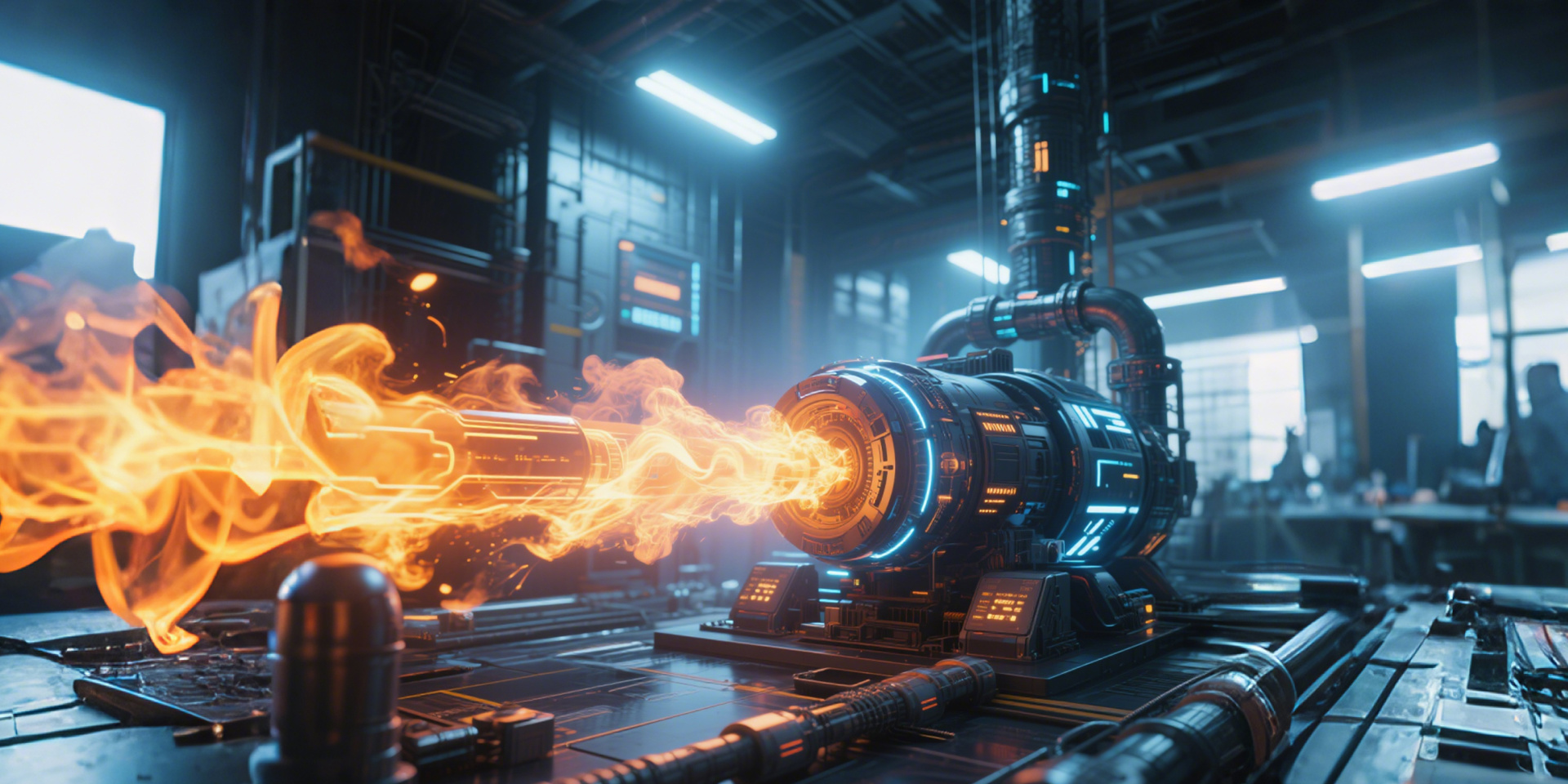
The Importance of Proper Ventilation for Fired Furnaces in Industrial Equipment
Release time:
2026-01-25
The Importance of Proper Ventilation for Fired Furnaces Table of Contents 1. Introduction to Fired Furnaces 2. Significance of Proper Ventilation 2.1 Safety Concerns with Improper Ventilation 2.2 Efficiency and Performance of Fired Furnaces 3. Types of Ventilation Systems 3.1 Natural Ventilation

The Importance of Proper Ventilation for Fired Furnaces
Table of Contents
- 1. Introduction to Fired Furnaces
- 2. Significance of Proper Ventilation
- 3. Types of Ventilation Systems
- 4. Key Design Considerations for Ventilation
- 5. Maintenance of Ventilation Systems
- 6. Common Ventilation Issues in Fired Furnaces
- 7. Best Practices for Ventilation in Fired Furnaces
- 8. Conclusion
- 9. FAQs
1. Introduction to Fired Furnaces
Fired furnaces play a pivotal role in various industrial processes, especially in the operation of oil-fired boilers. These systems are essential for heating applications, metal treatment, and various manufacturing processes. However, the efficiency and safety of fired furnaces highly depend on an often-overlooked factor: **proper ventilation**. Proper ventilation can significantly impact operational efficiency, safety, and emissions control, making it a critical aspect of furnace operation.
2. Significance of Proper Ventilation
Ventilation directly affects how a fired furnace operates. Without adequate airflow, the combustion process can become inefficient and hazardous. Let's delve into the critical aspects of why proper ventilation is essential.
2.1 Safety Concerns with Improper Ventilation
Safety is the foremost reason for ensuring that fired furnaces are properly ventilated. Inadequate ventilation can lead to the accumulation of harmful gases, such as carbon monoxide, which can pose severe health risks. **Carbon monoxide poisoning** is a real danger in settings where combustion occurs without sufficient airflow.
In addition, improper ventilation may also lead to explosions and fires due to the buildup of flammable gases. Implementing a well-designed ventilation system is crucial to mitigate these risks and create a safe working environment.
2.2 Efficiency and Performance of Fired Furnaces
Proper ventilation not only ensures safety but also enhances the overall efficiency and performance of fired furnaces. Sufficient airflow allows for better combustion, which translates into higher thermal efficiency. When a furnace operates efficiently, it consumes less fuel, resulting in reduced operational costs and lower emissions.
Moreover, a well-ventilated system can help maintain consistent temperatures, leading to improved product quality in industrial applications. Thus, investing in proper ventilation can yield significant long-term benefits.
3. Types of Ventilation Systems
There are primarily two types of ventilation systems used in industrial settings: **natural ventilation** and **mechanical ventilation**. Each system has its own advantages and applications, depending on specific operational requirements.
3.1 Natural Ventilation
Natural ventilation relies on airflow driven by natural forces such as wind and temperature differences. This system is generally simpler and more cost-effective. However, it may not always provide adequate airflow, particularly in enclosed spaces or during adverse weather conditions.
Natural ventilation can be effective in smaller installations or situations where maintaining a consistent outdoor air balance is feasible. However, we must carefully evaluate its limitations in larger, more complex systems like fired furnaces.
3.2 Mechanical Ventilation
Mechanical ventilation employs fans, blowers, and ductwork to control airflow actively. This method allows for precise ventilation control, making it suitable for larger and more complex systems. Mechanical ventilation can be tailored to meet specific requirements, ensuring optimal airflow at all times.
While this system may involve higher initial costs and maintenance, the benefits of improved safety and efficiency make it a valuable investment for industrial applications.
4. Key Design Considerations for Ventilation
When designing a ventilation system for fired furnaces, several factors must be considered to ensure optimal performance.
1. **Airflow Requirements**: Determine the required airflow rate based on the size and type of the furnace. Proper calculations can help in selecting the right fans and duct sizes.
2. **Location of Ventilation Openings**: The positioning of intake and exhaust openings is crucial. Strategically placing these openings can enhance the overall effectiveness of the ventilation system.
3. **Duct Design**: The design of ductwork must minimize resistance to airflow. Smooth, well-insulated ducts can significantly improve overall efficiency.
4. **Control Systems**: Implementing control systems that can adjust airflow based on real-time conditions will help maintain optimal performance.
5. **Regulatory Compliance**: Adhere to local regulations and standards regarding ventilation systems to ensure safety and compliance.
5. Maintenance of Ventilation Systems
Regular maintenance of ventilation systems is essential for ensuring their efficiency and longevity. Neglecting maintenance can lead to reduced airflow, increased energy consumption, and potential safety hazards.
1. **Routine Inspections**: Conduct regular inspections to identify any issues with fans, ducts, or openings. Early detection can prevent larger problems down the line.
2. **Cleaning**: Dust and debris can accumulate in ducts and ventilation openings, obstructing airflow. Regular cleaning can mitigate these issues.
3. **Performance Testing**: Regularly test the performance of the ventilation system to ensure it meets the required airflow rates. Adjustments should be made as necessary.
4. **Replacement of Worn Components**: Over time, components may wear out and require replacement. Timely replacement of parts will help maintain the system's efficiency.
6. Common Ventilation Issues in Fired Furnaces
Understanding common ventilation issues can help in troubleshooting and maintaining optimal performance:
1. **Inadequate Airflow**: Insufficient airflow can lead to incomplete combustion, resulting in increased emissions and reduced efficiency.
2. **Backdrafts**: Backdrafts occur when exhaust gases flow back into the furnace instead of being expelled. This issue can be hazardous and requires immediate attention.
3. **Excessive Noise**: Noisy ventilation fans or ducts may indicate mechanical issues or improper installation that need to be addressed.
4. **Odors**: Unpleasant odors can arise from poor ventilation, signaling incomplete combustion or the presence of harmful gases.
5. **Condensation**: Excess moisture in the ventilation system can lead to condensation, promoting corrosion and other issues.
7. Best Practices for Ventilation in Fired Furnaces
To ensure optimal ventilation performance in fired furnaces, consider the following best practices:
1. **Engage Professionals**: Collaborate with HVAC professionals for the design and installation of ventilation systems.
2. **Optimize System Design**: Use simulations and modeling to optimize ventilation designs before implementation.
3. **Continuous Monitoring**: Implement monitoring systems to track airflow and emissions in real time, allowing for quick adjustments.
4. **Educate Staff**: Train staff on proper operation and maintenance procedures for ventilation systems.
5. **Stay Updated**: Keep abreast of the latest technologies and practices for ventilation in industrial applications.
8. Conclusion
In conclusion, **proper ventilation for fired furnaces** is not just a regulatory requirement but a cornerstone of safety and efficiency in industrial operations. By understanding the significance of ventilation, its types, design considerations, and maintenance practices, industries can enhance the performance of their fired furnaces while ensuring a safe working environment. Investing in well-designed ventilation systems will lead to substantial long-term benefits, including reduced costs, improved product quality, and a lower environmental impact.
9. FAQs
What are the effects of inadequate ventilation in fired furnaces?
Inadequate ventilation can lead to incomplete combustion, harmful gas accumulation, increased emissions, and potential safety hazards such as fires and explosions.
How often should ventilation systems be inspected?
Ventilation systems should be inspected regularly, ideally at least once a year, to identify and address any issues before they escalate.
Can natural ventilation be sufficient for large industrial furnaces?
While natural ventilation may work for smaller systems, larger industrial furnaces typically require mechanical ventilation to ensure adequate airflow.
What are the signs of poor ventilation performance?
Signs include inadequate heating, excessive noise, unpleasant odors, and visible signs of backdrafts or condensation.
How can I improve the ventilation in my fired furnace system?
Consider engaging HVAC professionals for system design, optimizing ductwork, and ensuring regular maintenance to improve ventilation efficiency.
More information


Online Message
Do you have any intention of cooperation? You can leave your contact information, and we will be happy to serve you.
Contact us
Contact: Rosie
FAX: +86-571-86726270



Room 605, 6th Floor, Building 2, East Station Garden Business Center, Shangcheng District, Hangzhou City, Zhejiang Province