
Welcome To CB Piping System Co., ltd., ...

The Science Behind Hot Air Coal Furnaces: How They Work
Release time:
2025-10-30
The Science Behind Hot Air Coal Furnaces: How They Work Table of Contents Introduction to Hot Air Coal Furnaces What is a Hot Air Coal Furnace? Principles of Operation The Combustion Process Heat Transfer Mechanism Design Features of Hot Air Coal Furnaces Materials and Insulation Control Systems and Automat
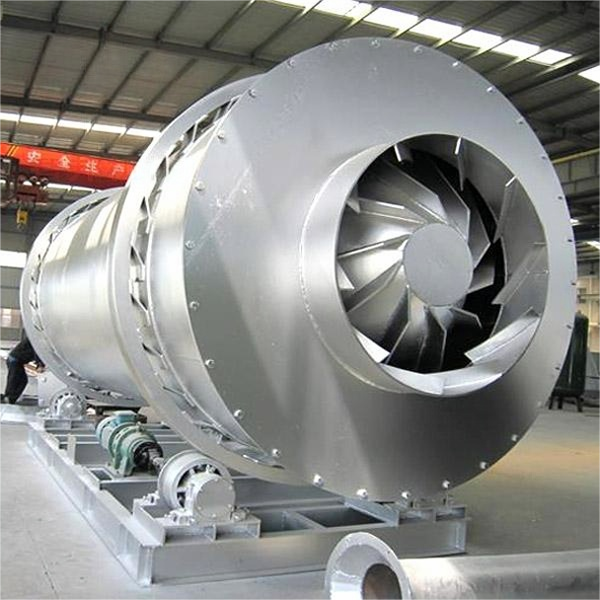
The Science Behind Hot Air Coal Furnaces: How They Work
Table of Contents
- Introduction to Hot Air Coal Furnaces
- What is a Hot Air Coal Furnace?
- Principles of Operation
- Design Features of Hot Air Coal Furnaces
- Efficiency and Performance Metrics
- Applications of Hot Air Coal Furnaces
- Maintenance Best Practices
- Frequently Asked Questions
- Conclusion
Introduction to Hot Air Coal Furnaces
Hot air coal furnaces play a pivotal role in various industrial processes, providing efficient and reliable heating solutions. Understanding the science behind these furnaces allows industries to optimize their operations while ensuring safety and compliance. In this article, we will delve into the intricate workings of hot air coal furnaces, exploring their design, operation, and applications.
What is a Hot Air Coal Furnace?
A hot air coal furnace is a type of combustion heater that uses coal as its primary fuel. It generates hot air through the combustion of coal, which is then circulated through various industrial systems to provide heat. These furnaces are commonly used in industries such as ceramics, food processing, and manufacturing, where consistent and high temperatures are essential for production processes.
Principles of Operation
Understanding the principles of operation is crucial to grasping how hot air coal furnaces function. The following sections break down the essential components and processes involved.
The Combustion Process
At the core of a hot air coal furnace is the **combustion process**. This involves the burning of coal in a controlled environment, where the right amount of air is mixed with the coal to support efficient combustion. **Combustion efficiency** is vital, as it affects both fuel consumption and emissions.
1. **Coal Preparation**: Before combustion, coal is typically crushed to a fine powder to ensure a more efficient burn. The smaller particle size increases the surface area, allowing for better air penetration and combustion.
2. **Air Supply**: The furnace is equipped with an air supply system that delivers the necessary oxygen to sustain combustion. This system may include blowers that control the amount of air entering the combustion chamber.
3. **Ignition**: Once the coal and air mixture is prepared, ignition occurs. The initial heat source can be a spark or flame that ignites the coal particles. Once ignited, the combustion process generates continuous heat.
Heat Transfer Mechanism
After combustion, the next crucial step is heat transfer. The furnace effectively transfers the generated heat to the surrounding air, which is then circulated through the system.
- **Heat Exchangers**: Hot air coal furnaces often incorporate heat exchangers that maximize heat transfer efficiency. These devices facilitate the transfer of heat from the hot gases produced during combustion to the air that will be used in the industrial process.
- **Hot Air Distribution**: The heated air is then distributed throughout the facility using ductwork and fans, ensuring that the temperature is consistent across the areas requiring heat.
Design Features of Hot Air Coal Furnaces
The design of hot air coal furnaces is a significant factor in their performance and efficiency. Various features contribute to their effectiveness in industrial applications.
Materials and Insulation
The materials used in constructing hot air coal furnaces must withstand high temperatures and corrosive environments. Steel and refractory materials are common choices for the furnace body, while high-efficiency insulation is essential to minimize heat loss.
- **Refractory Linings**: These linings are designed to withstand extreme temperatures and protect the structural integrity of the furnace. They also aid in retaining heat within the system.
- **Insulation**: Adequate insulation reduces energy consumption by preventing heat from escaping. This feature is crucial for maintaining optimal operating temperatures and improving overall efficiency.
Control Systems and Automation
Modern hot air coal furnaces often incorporate sophisticated control systems that automate various processes, enhancing safety and efficiency.
- **Temperature Control**: Automated systems monitor and adjust the furnace temperature, ensuring consistent output. This feature is particularly important in applications where precise temperature control is required.
- **Safety Features**: Advanced control systems also include safety measures, such as automatic shut-off mechanisms in case of fuel shortages or excessive temperatures, protecting both the equipment and personnel.
Efficiency and Performance Metrics
Evaluating the efficiency and performance of hot air coal furnaces involves several metrics, which are critical for optimizing operations.
Fuel Consumption Rates
Fuel consumption is a key indicator of a furnace's efficiency. By measuring the amount of coal consumed relative to the heat output, industries can determine operational costs and make adjustments as necessary.
- **Efficiency Ratios**: The efficiency of hot air coal furnaces can vary, but modern designs often achieve efficiencies of up to **85% or higher**, depending on the specific application and operating conditions.
Compliance with Emission Standards
As environmental regulations tighten, compliance with emission standards has become paramount for industries utilizing hot air coal furnaces.
- **Emission Control Technologies**: Many furnaces are equipped with emission control technologies, such as scrubbers and filters, to reduce particulate matter and other pollutants. This not only ensures compliance but also promotes a cleaner environment.
Applications of Hot Air Coal Furnaces
Hot air coal furnaces find applications across various industries due to their efficiency and reliability.
- **Ceramics and Glass Production**: These industries rely on consistent heat for processes like drying and shaping materials, where fluctuations can lead to defects.
- **Food Processing**: Some food processing operations utilize hot air coal furnaces for drying and cooking processes, where precise temperature control is critical to quality.
- **Manufacturing**: Various manufacturing sectors use these furnaces for curing paints and coatings, as well as in processes requiring high-temperature heat.
Maintenance Best Practices
Regular maintenance is essential for ensuring the longevity and efficiency of hot air coal furnaces.
- **Routine Inspections**: Performing routine inspections helps identify potential issues before they lead to significant downtime or repairs. Checking for wear on components, leaks, and proper operation of control systems is vital.
- **Cleaning**: Keeping the furnace clean is crucial for maintaining efficiency. Ash buildup can obstruct airflow and reduce combustion efficiency, so regular cleaning schedules should be established.
- **Professional Servicing**: Engaging professional technicians for annual servicing ensures that all systems are functioning optimally and that any necessary repairs are addressed promptly.
Frequently Asked Questions
1. What fuels can be used in hot air coal furnaces?
While coal is the primary fuel, some furnaces can utilize biomass and other solid fuels, depending on their design and intended use.
2. How do I know if my furnace is operating efficiently?
Monitoring fuel consumption and maintaining consistent heat output are key indicators. Advanced control systems may provide real-time efficiency metrics.
3. What are common problems associated with hot air coal furnaces?
Common issues include combustion inefficiencies, air supply problems, and wear on refractory materials. Regular maintenance can mitigate these concerns.
4. Are hot air coal furnaces environmentally friendly?
While they produce emissions, modern systems equipped with emission controls can minimize their environmental impact and comply with regulations.
5. How long can a hot air coal furnace last?
With proper maintenance, hot air coal furnaces can last 15-30 years, depending on usage and operating conditions.
Conclusion
Understanding the science behind hot air coal furnaces is essential for optimizing their use in various industrial applications. Their efficient operation, advanced design features, and ability to comply with environmental standards make them a valuable asset in the industrial heating landscape. By following best practices in maintenance and operation, industries can ensure the longevity and performance of these crucial heating solutions. Armed with this knowledge, professionals can make informed decisions that enhance productivity and sustainability in their operations.


Online Message
Do you have any intention of cooperation? You can leave your contact information, and we will be happy to serve you.
Contact us
Contact: Rosie
FAX: +86-571-86726270



Room 605, 6th Floor, Building 2, East Station Garden Business Center, Shangcheng District, Hangzhou City, Zhejiang Province