
Welcome To CB Piping System Co., ltd., ...
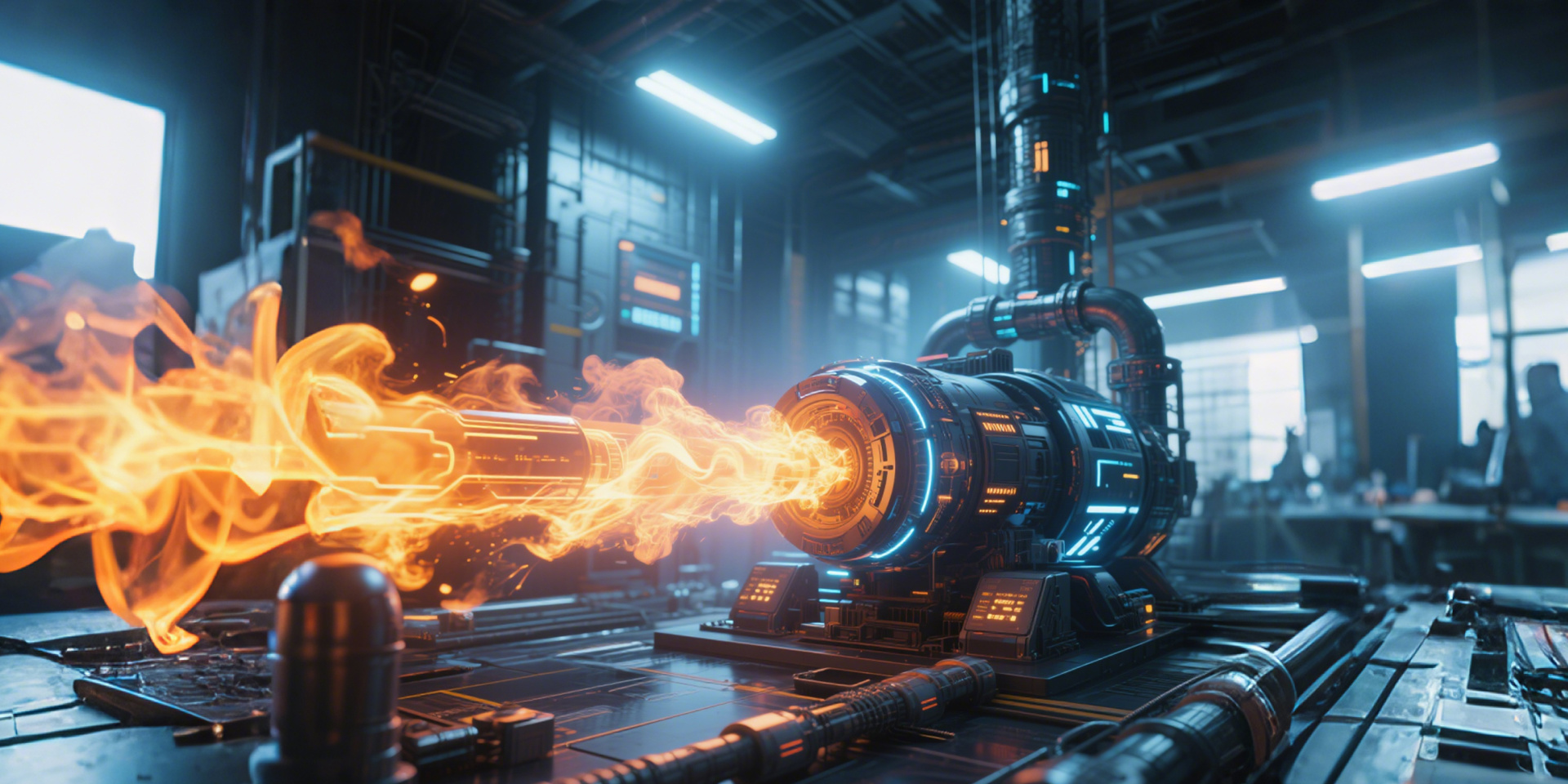
Understanding Direct Fired Burners: Key Insights for Industrial Applications
Release time:
2025-11-07
Direct fired burners are an essential component in various industrial applications, particularly in the fields of casting and heat treatment. These burners are designed to provide efficient and controlled combustion of fuel to produce high-temperature heat. Unlike indirect fired systems, where heat is transferred through a heat exchanger, direct fired burners introduce the flame directly into the

One of the primary advantages of direct fired burners is their ability to achieve high temperatures rapidly. This is crucial in industrial processes such as metal casting, where precise temperature control is necessary to ensure the quality of the final product. The direct flame not only heats the materials quickly but also allows for a more uniform heating profile, reducing the risk of thermal stress and distortion in the materials.
In addition to their efficiency, direct fired burners are also known for their versatility. They can operate on various fuels, including natural gas, propane, and even some biofuels. This flexibility allows industries to choose the most suitable and cost-effective fuel sources for their operations. Furthermore, advancements in burner technology have led to the development of low-NOx burners, which significantly reduce harmful emissions, making them more environmentally friendly.
Another key feature of direct fired burners is their straightforward design, which simplifies maintenance and operation. With fewer components compared to other heating systems, they generally require less frequent maintenance, resulting in lower operational costs and downtime. This reliability is a critical factor for industries that depend on continuous production processes.
The applications of direct fired burners extend beyond metal processing. They are also widely used in drying processes, such as in the manufacturing of ceramics, paper, and textiles, where controlled heating is vital. Their ability to provide high heat output while maintaining efficiency makes them an attractive option across various sectors.
In summary, direct fired burners play a pivotal role in enhancing operational efficiency and product quality in industrial settings. Their rapid heating capabilities, fuel versatility, and straightforward maintenance make them an essential choice for industries engaged in casting, heat treatment, and other high-temperature processes. Understanding the functionality and benefits of direct fired burners can assist businesses in optimizing their operations and achieving higher productivity levels.


Online Message
Do you have any intention of cooperation? You can leave your contact information, and we will be happy to serve you.
Contact us
Contact: Rosie
FAX: +86-571-86726270



Room 605, 6th Floor, Building 2, East Station Garden Business Center, Shangcheng District, Hangzhou City, Zhejiang Province