
Welcome To CB Piping System Co., ltd., ...
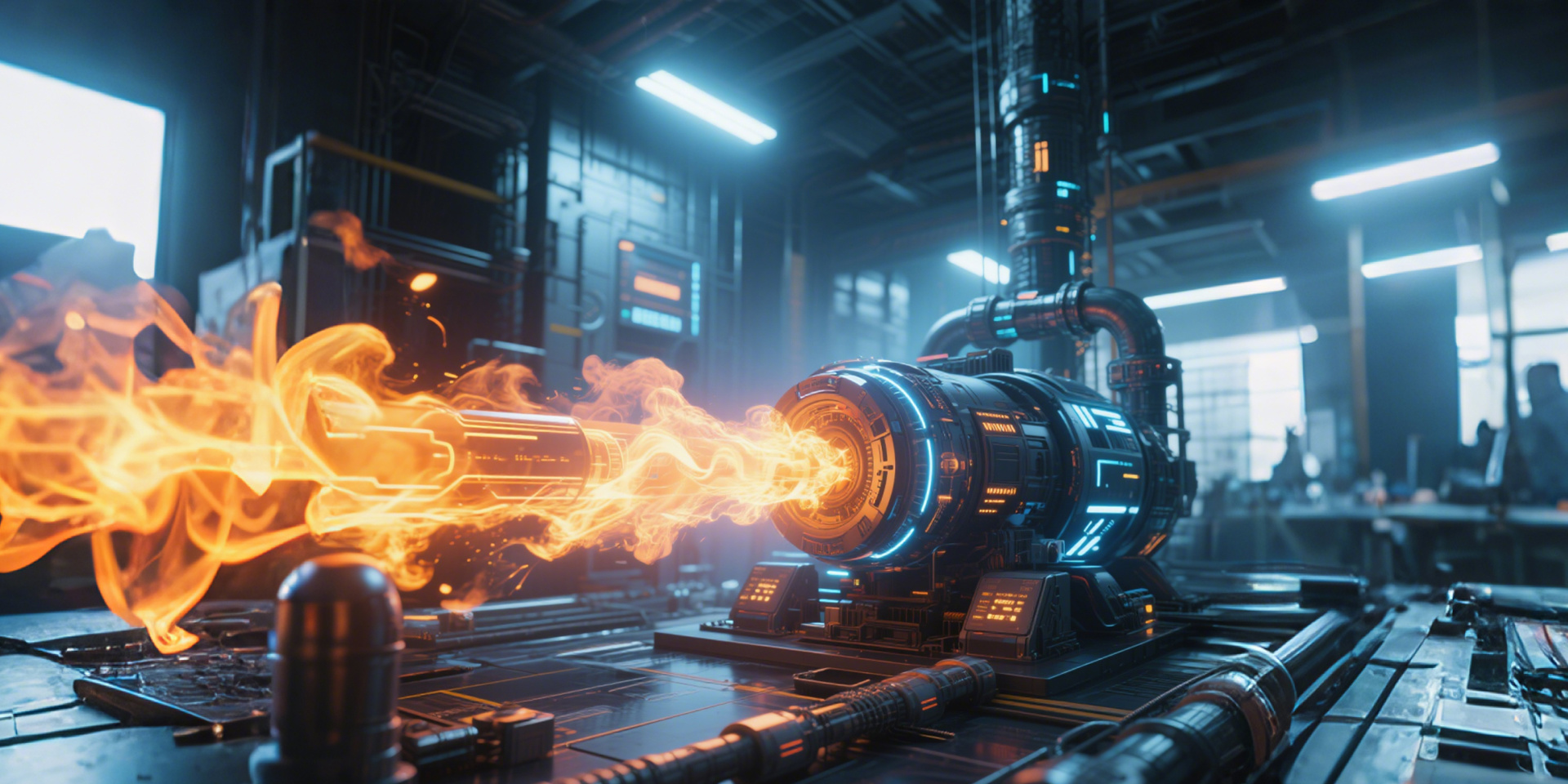
Maximizing Output: Fired Furnace Tips for Efficiency
Release time:
2025-11-28
Maximizing Output: Fired Furnace Tips for Efficiency Introduction to Fired Furnaces in Industrial Applications Fired furnaces play a pivotal role in various industrial processes, especially in sectors such as metal processing, ceramics, and energy production. Their efficiency directly influences productivity, energy consumption, and overall operational costs. In this article, we delve into effecti

Maximizing Output: Fired Furnace Tips for Efficiency
Introduction to Fired Furnaces in Industrial Applications
Fired furnaces play a pivotal role in various industrial processes, especially in sectors such as metal processing, ceramics, and energy production. Their efficiency directly influences productivity, energy consumption, and overall operational costs. In this article, we delve into effective tips and strategies that can help maximize output from fired furnaces while maintaining optimal performance.
Understanding the Fundamentals of Fired Furnace Operation
What is a Fired Furnace?
A fired furnace is an industrial device that generates heat through combustion. This heat is then utilized in various processes, such as melting, sintering, or drying materials. The operation of a fired furnace relies heavily on the combustion of fuel—typically natural gas, oil, or solid fuels—making it critical to understand the combustion process to enhance efficiency.
Key Components of a Fired Furnace
To maximize the output of a fired furnace, it is essential to understand its components, which include:
- **Burners**: Devices that mix fuel with air to create flames.
- **Combustion Chamber**: The area where the fuel-air mixture combusts.
- **Heat Exchanger**: Transfers heat from the combustion gases to the process materials.
- **Insulation**: Reduces heat loss, improving overall efficiency.
Tips for Enhancing Fired Furnace Efficiency
1. Optimize Fuel Combustion
Efficient combustion is crucial for maximizing output. Ensure that the burners are properly calibrated to achieve the right fuel-to-air ratio. Regular inspections and adjustments can significantly enhance combustion efficiency, leading to reduced emissions and improved heat generation.
2. Implement Advanced Control Systems
Utilizing modern control technologies can lead to better monitoring and control of the furnace operation. Automatic control systems can optimize fuel usage, adjust air supply, and maintain consistent temperature profiles within the furnace, ultimately enhancing output and minimizing waste.
3. Regular Maintenance and Inspections
Routine maintenance is vital for ensuring the longevity and efficiency of fired furnaces. Establish a preventive maintenance schedule that includes checking for wear and tear, cleaning burners, and inspecting insulation. Identifying and addressing issues early on can prevent costly downtime.
Importance of Regular Cleaning
Accumulation of soot and other residues can severely impact furnace efficiency. Incorporating regular cleaning into your maintenance plan will help maintain optimal heat transfer and combustion conditions.
4. Optimize Insulation for Heat Retention
Effective insulation helps minimize heat loss, which is critical for maintaining high efficiency. Ensure that all insulation materials are intact and replace any damaged sections promptly. Consider upgrading to advanced insulation materials that offer better heat retention properties.
5. Monitor Emissions and Environmental Compliance
Regularly monitoring emissions helps ensure compliance with environmental regulations while allowing for adjustments that may improve efficiency. Implementing emissions control technologies can lead to better combustion and reduced environmental impact.
Advanced Techniques for Output Maximization
1. Utilize Waste Heat Recovery Systems
Implementing a waste heat recovery system can capture excess heat from the furnace and repurpose it for other processes, such as preheating combustion air or generating steam. This not only improves overall energy efficiency but also reduces fuel consumption.
2. Optimize Loading Procedures
The way materials are loaded into the furnace can significantly affect heating efficiency. Ensure that loading procedures allow for optimal airflow and heat distribution. This may involve staggering the loading of materials or using specialized loading equipment.
3. Continuous Training for Operators
Investing in the continuous education and training of furnace operators can yield substantial benefits in efficiency. Skilled operators are better equipped to monitor and adjust furnace operations, leading to optimal performance and output.
Case Studies: Real-World Applications of Efficiency Improvements
1. Case Study: Automotive Industry
An automotive manufacturer implemented a series of efficiency upgrades to their fired furnaces, including advanced control systems and waste heat recovery. As a result, they achieved a 20% reduction in fuel consumption and improved output consistency.
2. Case Study: Ceramic Production
A ceramic production facility optimized their loading procedures and invested in operator training. This led to a 15% increase in output and a significant decrease in production costs.
FAQs About Fired Furnace Efficiency
1. What are the common fuel types used in fired furnaces?
The most common fuel types used are natural gas, oil, and coal. The choice of fuel affects the combustion process, efficiency, and emissions.
2. How can I tell if my furnace is operating efficiently?
Indicators of efficiency include consistent temperature profiles, low fuel consumption, and minimal emissions. Regular monitoring and analysis can provide insights into furnace performance.
3. What kind of maintenance is required for fired furnaces?
Maintenance should include regular inspections, burner cleaning, checking insulation integrity, and monitoring control systems to ensure optimal performance.
4. Can insulation upgrades significantly impact efficiency?
Yes, upgrading to high-performance insulation materials can drastically reduce heat loss, leading to improved furnace efficiency and reduced energy costs.
5. How often should operators receive training on furnace management?
Ongoing training should be conducted regularly, ideally every six months to ensure operators are up-to-date with the latest technologies and best practices.
Conclusion
Maximizing the output of fired furnaces requires a comprehensive understanding of their operation, regular maintenance, and the implementation of advanced technologies. By focusing on optimizing combustion, improving insulation, and investing in operator training, industries can achieve significant efficiency gains, reduce costs, and ensure compliance with environmental regulations. Adopting these strategies will not only enhance productivity but also contribute to sustainable industrial practices.


Online Message
Do you have any intention of cooperation? You can leave your contact information, and we will be happy to serve you.
Contact us
Contact: Rosie
FAX: +86-571-86726270



Room 605, 6th Floor, Building 2, East Station Garden Business Center, Shangcheng District, Hangzhou City, Zhejiang Province