
Welcome To CB Piping System Co., ltd., ...
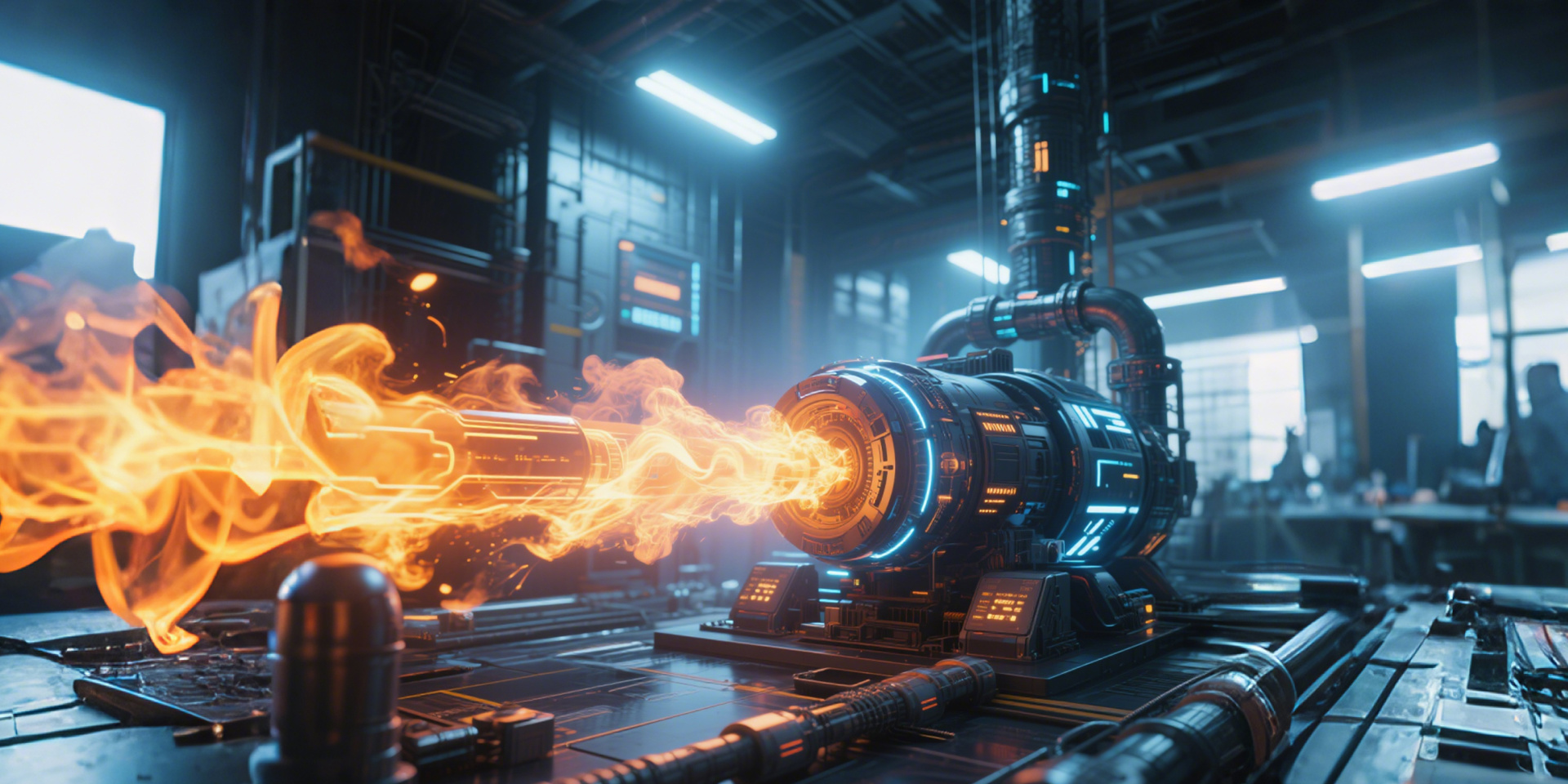
Maximizing Efficiency: The Essential Role of Direct Fired Burners in Industrial Applications
Release time:
2025-12-04
Maximizing Efficiency: The Essential Role of Direct Fired Burners in Industrial Applications Introduction to Direct Fired Burners In the realm of industrial manufacturing, maximizing operational efficiency is crucial for maintaining competitive advantage. Among the technologies that contribute significantly to this goal are **direct fired burners**. These systems are increasingly becoming essent

Maximizing Efficiency: The Essential Role of Direct Fired Burners in Industrial Applications
Introduction to Direct Fired Burners
In the realm of industrial manufacturing, maximizing operational efficiency is crucial for maintaining competitive advantage. Among the technologies that contribute significantly to this goal are **direct fired burners**. These systems are increasingly becoming essential for various industrial applications, providing high levels of efficiency and performance. In this comprehensive exploration, we will delve into the workings, benefits, applications, and future trends of direct fired burners, emphasizing their pivotal role in modern industry.
The Technology Behind Direct Fired Burners
Direct fired burners operate by directly combusting fuel to produce heat, which is then transferred to the process or product being heated. This method offers several advantages over indirect heating systems, including improved thermal efficiency and faster response times.
Components of Direct Fired Burners
Understanding the components of direct fired burners is essential to grasp their functionality. Key components include:
- **Burner Head:** Where the fuel and air mix and ignite.
- **Fuel Supply System:** Ensures a consistent flow of fuel, whether gas, oil, or alternative fuels.
- **Air Supply System:** Provides the necessary oxygen for combustion, often through fans or blowers.
- **Control System:** Regulates the operation of the burner, ensuring safety and efficiency.
- **Flue Gas Handling:** Manages the byproducts of combustion, often through ducting and exhaust systems.
Types of Direct Fired Burners
There are several types of direct fired burners, each designed for specific applications:
- **Natural Gas Burners:** Typically used in industries that require a cleaner-burning fuel.
- **Oil Burners:** Ideal for high-temperature applications, offering versatility in fuel choice.
- **Dual-Fuel Burners:** Capable of operating on both natural gas and oil, providing flexibility and efficiency.
- **Alternative Fuel Burners:** Designed for renewable energy sources, such as biomass or biogas, supporting sustainable practices.
Key Benefits of Direct Fired Burners
The adoption of direct fired burners in industrial settings offers numerous benefits:
1. Enhanced Efficiency
Direct fired burners achieve high thermal efficiency rates, often exceeding 90%. This efficiency results in reduced fuel consumption and lower operational costs, allowing companies to optimize their energy usage.
2. Rapid Response Times
The direct combustion process allows for quick adjustments in heat output, enabling industries to respond promptly to fluctuating production demands.
3. Improved Product Quality
With precise temperature control, direct fired burners contribute to uniform heating, which is essential for maintaining product quality and consistency.
4. Versatility Across Applications
Direct fired burners find applications in various sectors, from metal processing and glass manufacturing to food production and chemical processing, making them highly versatile.
5. Reduced Emissions
Modern direct fired burners are designed to minimize emissions, helping companies comply with environmental regulations while promoting sustainability.
Applications of Direct Fired Burners in Various Industries
Direct fired burners are utilized across multiple industries, each benefiting from their unique capabilities:
1. Metal Processing
In metal processing, direct fired burners are employed for processes like melting, heating, and forging. Their high efficiency ensures that metal is heated uniformly, reducing the risk of defects.
2. Glass Manufacturing
Glass production involves significant heating processes. Direct fired burners efficiently maintain the required temperatures for melting raw materials, leading to enhanced product quality.
3. Food Processing
The food industry uses direct fired burners in cooking, drying, and pasteurization processes. The precise temperature control offered by these burners helps in achieving high food safety standards.
4. Chemical Processing
Direct fired burners play a critical role in chemical reactions that require specific thermal conditions. Their ability to provide consistent heat is vital for maintaining reaction efficiency.
5. Waste Incineration
In waste management, direct fired burners are used for incinerating waste materials, converting them into energy while minimizing environmental impact.
Choosing the Right Direct Fired Burner for Your Application
Selecting the appropriate direct fired burner involves several considerations:
1. Assessing Fuel Type
Evaluate the availability and cost of fuels in your region. Natural gas may be preferable in some areas, while others may benefit from dual-fuel or alternative fuel options.
2. Understanding Heat Requirements
Determine the specific heat requirements of your application, including maximum and minimum temperature needs, to select a burner that can adequately meet these demands.
3. Evaluating Efficiency Ratings
Look for burners with high efficiency ratings to ensure optimal energy use and cost savings.
4. Compliance with Regulations
Ensure that the selected burner meets all relevant environmental and safety regulations, as this can impact overall operational efficiency and legality.
5. Future Scalability
Consider the potential for future expansion or changes in production capacity. A scalable burner will allow for easier adjustments as your operations evolve.
Future Trends in Direct Fired Burner Technology
As industries continue to pursue efficiency and sustainability, several trends are emerging in direct fired burner technology:
1. Increased Use of Alternative Fuels
The shift towards renewable energy sources is driving the development of burners that can efficiently use alternative fuels, reducing dependency on fossil fuels.
2. Integration of Automation and Smart Technology
Smart burners equipped with IoT technology can optimize combustion processes in real-time, leading to enhanced efficiency and reduced emissions.
3. Enhanced Safety Features
Safety innovations, including advanced monitoring systems and automatic shut-off mechanisms, are becoming standard to prevent accidents and ensure safe operation.
4. Focus on Emission Reduction
With stricter environmental regulations, manufacturers are developing burners that minimize NOx and CO2 emissions, contributing to sustainability goals.
5. Customization and Modularity
Burners are increasingly being designed for specific applications, allowing for customized solutions that meet unique industrial challenges.
Conclusion
In conclusion, direct fired burners play a vital role in enhancing efficiency across various industrial applications. Their ability to provide high thermal efficiency, rapid response times, and consistent product quality makes them an invaluable asset for modern manufacturing processes. As industries move towards more sustainable practices, the advancements in direct fired burner technology will continue to shape the future of energy utilization. By understanding their capabilities and choosing the right systems, businesses can maximize their operational efficiency and ensure long-term success.
FAQs About Direct Fired Burners
1. What are direct fired burners used for?
Direct fired burners are utilized in various industrial applications for heating processes, such as metal processing, glass manufacturing, food processing, and chemical reactions.
2. How do direct fired burners improve efficiency?
They improve efficiency by achieving high thermal efficiency rates, allowing for quicker response times and reduced fuel consumption during operations.
3. What types of fuels can direct fired burners use?
Direct fired burners can use various fuels, including natural gas, oil, dual-fuel options, and alternative renewable fuels, making them versatile for different applications.
4. Are direct fired burners environmentally friendly?
Modern direct fired burners are designed to minimize emissions, helping companies comply with environmental regulations and contributing to sustainability efforts.
5. How do I choose the right direct fired burner for my application?
Consider factors such as fuel type, heat requirements, efficiency ratings, regulatory compliance, and future scalability when selecting a direct fired burner for your operations.
More information


Online Message
Do you have any intention of cooperation? You can leave your contact information, and we will be happy to serve you.
Contact us
Contact: Rosie
FAX: +86-571-86726270



Room 605, 6th Floor, Building 2, East Station Garden Business Center, Shangcheng District, Hangzhou City, Zhejiang Province