
Welcome To CB Piping System Co., ltd., ...

Understanding Indirect Heat Exchangers: A Comprehensive Guide to Enhancing Efficiency in Industrial Applications
Release time:
2025-12-10
Understanding Indirect Heat Exchangers: A Comprehensive Guide Table of Contents 1. Introduction to Indirect Heat Exchangers 2. What Are Indirect Heat Exchangers? 3. How Indirect Heat Exchangers Work 4. Types of Indirect Heat Exchangers 4.1 Shell and Tube Heat Exchangers 4.2 Plate Heat Exchangers 4.3 Air-Cooled Heat Exchangers
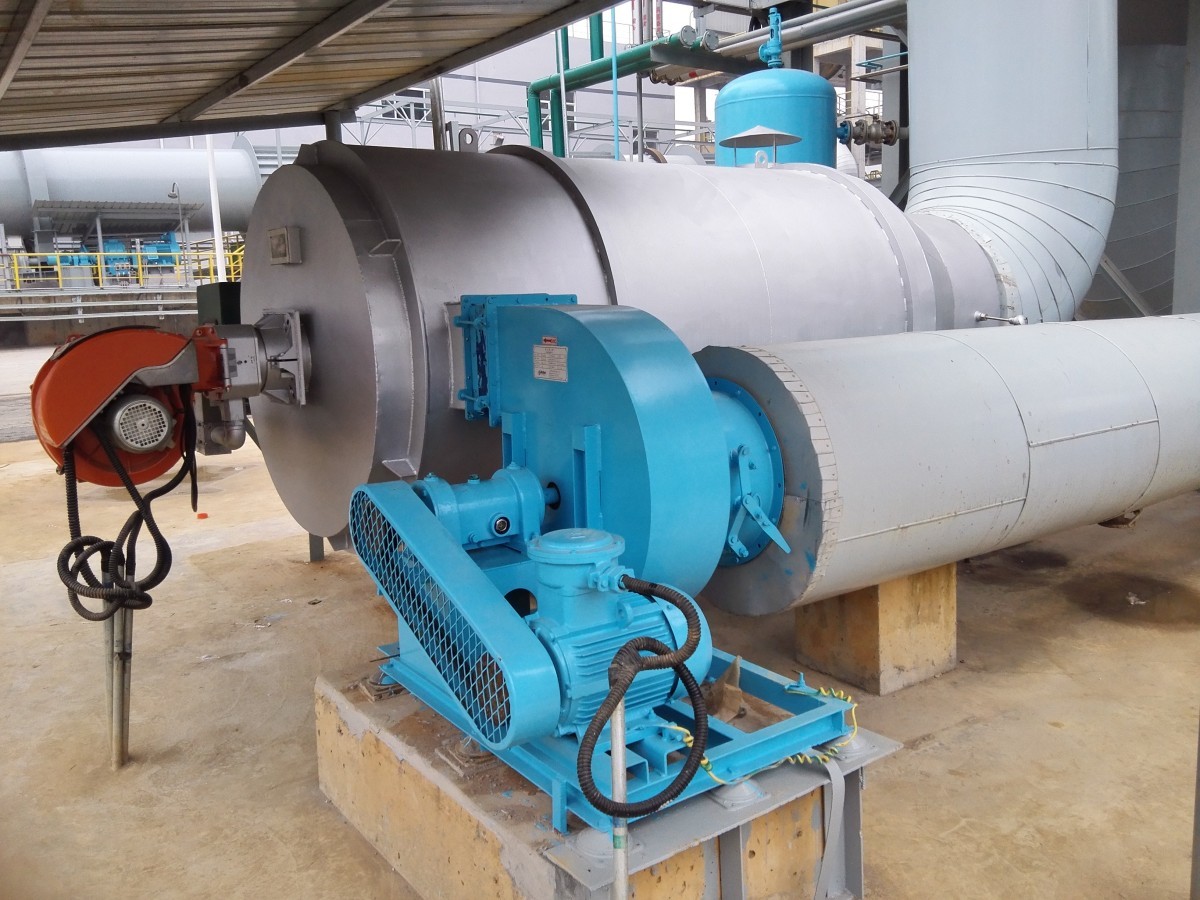
Understanding Indirect Heat Exchangers: A Comprehensive Guide
Table of Contents
- 1. Introduction to Indirect Heat Exchangers
- 2. What Are Indirect Heat Exchangers?
- 3. How Indirect Heat Exchangers Work
- 4. Types of Indirect Heat Exchangers
- 4.1 Shell and Tube Heat Exchangers
- 4.2 Plate Heat Exchangers
- 4.3 Air-Cooled Heat Exchangers
- 4.4 Double-Pipe Heat Exchangers
- 5. Applications of Indirect Heat Exchangers
- 6. Advantages and Disadvantages
- 7. Maintenance Tips for Heat Exchangers
- 8. Frequently Asked Questions (FAQs)
- 9. Conclusion
1. Introduction to Indirect Heat Exchangers
Indirect heat exchangers are critical components in various industrial processes, designed to transfer heat between two or more fluids without mixing them. These devices are essential in enhancing energy efficiency, improving process reliability, and maintaining optimal operating conditions. In this guide, we will delve into the functionalities, types, applications, and maintenance of indirect heat exchangers, providing professionals with the knowledge needed to optimize their systems.
2. What Are Indirect Heat Exchangers?
An indirect heat exchanger is a device that facilitates the transfer of thermal energy between two fluids with minimal direct contact. The primary purpose of these exchangers is to either heat or cool a fluid using another fluid. By creating a barrier between the two fluids, indirect heat exchangers prevent contamination and allow for precise temperature control.
The design of indirect heat exchangers can vary significantly depending on the specific application and requirements. They are widely used in industries such as chemical processing, oil and gas, HVAC, and food and beverage production.
3. How Indirect Heat Exchangers Work
The working principle of indirect heat exchangers involves the flow of two fluids at different temperatures. The hotter fluid transfers heat to the cooler fluid through a heat transfer surface. This process occurs in several steps:
1. **Heat Transfer Surface**: The heat exchanger consists of walls or plates that separate the two fluids. These surfaces are designed to maximize the area for heat transfer while minimizing resistance to fluid flow.
2. **Flow Arrangement**: The two fluids can flow in parallel, counterflow, or crossflow configurations. Counterflow arrangements, where the fluids move in opposite directions, typically provide the highest thermal efficiency.
3. **Heat Transfer Mechanism**: As the hot fluid flows past the heat transfer surface, it loses thermal energy, which is absorbed by the cooler fluid. This process continues until the fluids reach their desired temperatures.
4. **Temperature Control**: By adjusting the flow rates or temperatures of the fluids, operators can maintain the desired thermal conditions for their processes.
4. Types of Indirect Heat Exchangers
Understanding the various types of indirect heat exchangers is crucial for selecting the appropriate system for specific applications. Each type has unique advantages and is suited for different industrial needs.
4.1 Shell and Tube Heat Exchangers
Shell and tube heat exchangers consist of a series of tubes enclosed within a shell. One fluid flows through the tubes, while another fluid circulates around them in the shell. This design allows for high-pressure applications and is commonly used in power plants and chemical processing facilities.
4.2 Plate Heat Exchangers
Plate heat exchangers utilize thin, corrugated plates to create multiple channels for fluid flow. This design increases surface area and enhances heat transfer efficiency. They are compact and often used in food processing and HVAC systems.
4.3 Air-Cooled Heat Exchangers
Air-cooled heat exchangers use ambient air to cool or condense fluids. They are ideal for applications where water availability is limited and are commonly found in power generation and petrochemical industries.
4.4 Double-Pipe Heat Exchangers
Double-pipe heat exchangers consist of one pipe inside another, where one fluid flows through the inner pipe and another fluid flows through the annular space between the two pipes. This simple design is effective for small-scale applications and can be easily constructed.
5. Applications of Indirect Heat Exchangers
Indirect heat exchangers find applications across various industries, each leveraging their capabilities for improved thermal management. Key applications include:
- **Chemical Processing**: Used to maintain optimal temperatures during reactions, ensuring product quality and yield.
- **HVAC Systems**: Essential for regulating indoor climates, providing heating or cooling as necessary.
- **Food and Beverage Industry**: Employed in pasteurization, sterilization, and product cooling processes.
- **Power Generation**: Vital for condensing steam and recovering waste heat to improve overall efficiency.
6. Advantages and Disadvantages
Every technology comes with its pros and cons. Understanding the benefits and limitations of indirect heat exchangers can help professionals make informed decisions.
Advantages
- **Energy Efficiency**: Indirect heat exchangers are designed to maximize heat transfer while minimizing energy consumption.
- **Reduced Contamination**: The barrier between fluids prevents cross-contamination, ensuring product purity.
- **Versatility**: They can be designed to handle a wide range of temperatures and pressures, making them suitable for various applications.
Disadvantages
- **Initial Cost**: The manufacturing complexity can lead to higher initial costs compared to direct heat exchangers.
- **Space Requirements**: Some designs, like shell and tube exchangers, can require significant space for installation.
- **Maintenance Needs**: Regular maintenance is essential to ensure optimal performance and prevent fouling or scaling.
7. Maintenance Tips for Heat Exchangers
Maintaining indirect heat exchangers is crucial for ensuring their efficiency and longevity. Here are some essential tips:
- **Regular Inspections**: Schedule routine inspections to check for signs of wear, fouling, and leaks.
- **Cleaning Procedures**: Implement effective cleaning methods based on the type of fluid and application to prevent buildup on heat transfer surfaces.
- **Monitor Performance**: Keep track of temperature differentials and flow rates to detect any irregularities that may indicate maintenance needs.
- **Use Quality Materials**: Ensure that the construction materials are appropriate for the fluids being processed to minimize corrosion and degradation.
8. Frequently Asked Questions (FAQs)
1. What is the primary function of an indirect heat exchanger?
The primary function of an indirect heat exchanger is to transfer heat between two fluids without allowing them to mix, which helps maintain product purity and temperature control.
2. How do I determine the right type of heat exchanger for my application?
Consider factors such as the temperature and pressure of the fluids, space constraints, and the specific heat transfer requirements of your application to select the most suitable heat exchanger type.
3. What are the common maintenance practices for heat exchangers?
Common practices include regular inspections, cleaning to prevent fouling, monitoring performance metrics, and using quality construction materials to avoid corrosion.
4. Can indirect heat exchangers handle corrosive fluids?
Yes, many indirect heat exchangers can be designed to handle corrosive fluids by using specialized materials resistant to corrosion.
5. What are the signs that a heat exchanger needs maintenance?
Signs include decreased efficiency, unusual temperature differentials, signs of leaks, and increased energy consumption.
9. Conclusion
Indirect heat exchangers play a vital role in various industries by enhancing energy efficiency and improving process reliability. Understanding their design, functionality, applications, and maintenance needs empowers professionals to optimize their systems effectively. By carefully selecting the appropriate type and ensuring regular maintenance, industrial operations can achieve significant performance gains and cost savings. As technology continues to advance, staying informed about the latest innovations in heat exchanger design will further enhance operational efficiency and sustainability.
More information


Online Message
Do you have any intention of cooperation? You can leave your contact information, and we will be happy to serve you.
Contact us
Contact: Rosie
FAX: +86-571-86726270



Room 605, 6th Floor, Building 2, East Station Garden Business Center, Shangcheng District, Hangzhou City, Zhejiang Province